Ten days in Italy. It sounds like a dream, but only if you plan it right. This is the sweet spot for first-time visitors. There is enough time to experience three of the world’s greatest cities without the pushed, exhausted feeling of rushing from sight to sight.
The classic Rome-Florence-Venice triangle is Italy’s most celebrated travel route for good reason. In ten days, you get Ancient Rome’s mind-bending history.You see Florence’s Renaissance art and experience Tuscan wine country. How could you miss the one-of-a-kind floating city of Venice with its island-hop day trips? Three cities. Ten days. Zero regrets.
This itinerary is built for first-time visitors who want depth over breadth. It is a smart balance of iconic sights and genuine local experiences. There is enough breathing room to sit at a pavement cafe, order a second espresso, and simply be in Italy. Here is exactly how to do it.
| At a Glance: 10 Days in Italy Days 1-3: Rome | Days 4-6: Florence (+ day trip to Siena or Cinque Terre) | Days 7-9: Venice (+ islands of Murano & Burano) | Day 10: Departure |
Before You Go: Key Practical Information
A few essentials to lock in before you board the plane:
- Getting around: The Frecciarossa and Italo high-speed trains connect Rome, Florence, and Venice. Rome to Florence takes about 1.5 hours. Florence to Venice takes around 2 hours. Book in advance online at Trenitalia or Italo for the best fares. Last-minute prices are much higher.
- Best time to visit: April-May and September-October offer the ideal combination of warm weather, manageable crowds, and competitive prices. Summer (June–August) is hot and crowded. All the Italians and parts of Europe are vacationing in Italy. It can be very lively. Winter is quiet and cheap but some vendors in the tourist spots are closed.
- Book these in advance: Vatican Museums (book months ahead in summer), Colosseum, Uffizi Gallery, Accademia Gallery (the David). These attractions sell out weeks ahead during peak season. Do not leave them to chance.
- Getting from Rome’s airport: The Leonardo Express train from Fiumicino Airport (FCO) to Roma Termini takes 32 minutes and runs every 15 minutes. Far more reliable than a taxi.
- Currency: Italy uses the euro. Cards are widely accepted, but carry some cash for small cafes, markets, and rural areas.
| Pro Tip Download the Trenitalia app before you travel. You can buy and store all your train tickets there, check real-time departure boards, and avoid the station ticket queues entirely. |
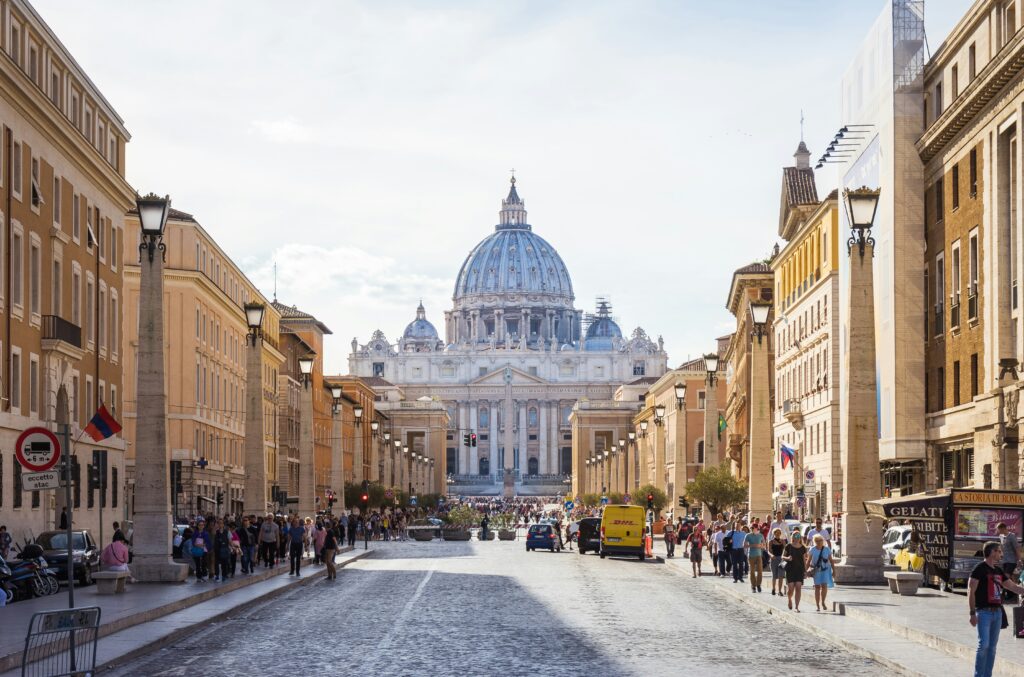
Days 1-3: Rome – The Eternal City
Rome deserves three full days, and even that will leave you wanting more. The city has been continuously inhabited for over 2,700 years, and the result is a palimpsest of history where a Renaissance fountain sits beside a medieval church built on the ruins of a Roman temple. Give yourself time to get lost here.
Day 1: Ancient Rome
Start where Rome’s story begins: the ancient center. Book your Colosseum tickets well in advance — the standard timed-entry ticket includes the Roman Forum and Palatine Hill, giving you a full morning in the ancient heart of the empire.
- Morning: Colosseum (allow 1.5 hours inside, arrive at your timed slot)
- Late Morning: Roman Forum and Palatine Hill: Wander at your own pace among the ruins of temples, triumphal arches, and Senate houses
- Lunch: Head to the Testaccio neighborhood (a 15-minute walk) for Rome’s most authentic food scene. Try a supplì (fried rice ball) and a slice of pizza al taglio
- Afternoon: Circus Maximus, Capitoline Hill, and the Capitoline Museums (home to the original Marcus Aurelius equestrian statue and stunning Forum views from the terrace)
- Evening: Aperitivo in Trastevere. See Rome’s most atmospheric neighborhood, with ivy-covered buildings, cobblestone lanes, and excellent wine bars
| Insider Tip Skip the Circus Maximus gift shops and climb the short path up to the Roseto Comunale (the city rose garden) just above it. The view over the ancient chariot track and out across Rome is one of the city’s best-kept secrets, and entry is free. |
Day 2: Vatican City & St. Peter’s
Set aside an entire day for Vatican City. This is not an afternoon stop. The Vatican Museums alone could occupy eight hours if you let them. Book a timed early-morning entry or a guided tour with skip-the-line access to make the most of it.
- Morning (early): Vatican Museums and Sistine Chapel- book the 8am opening time to see the Sistine Chapel with a fraction of the normal crowds. The Gallery of Maps is worth the visit.
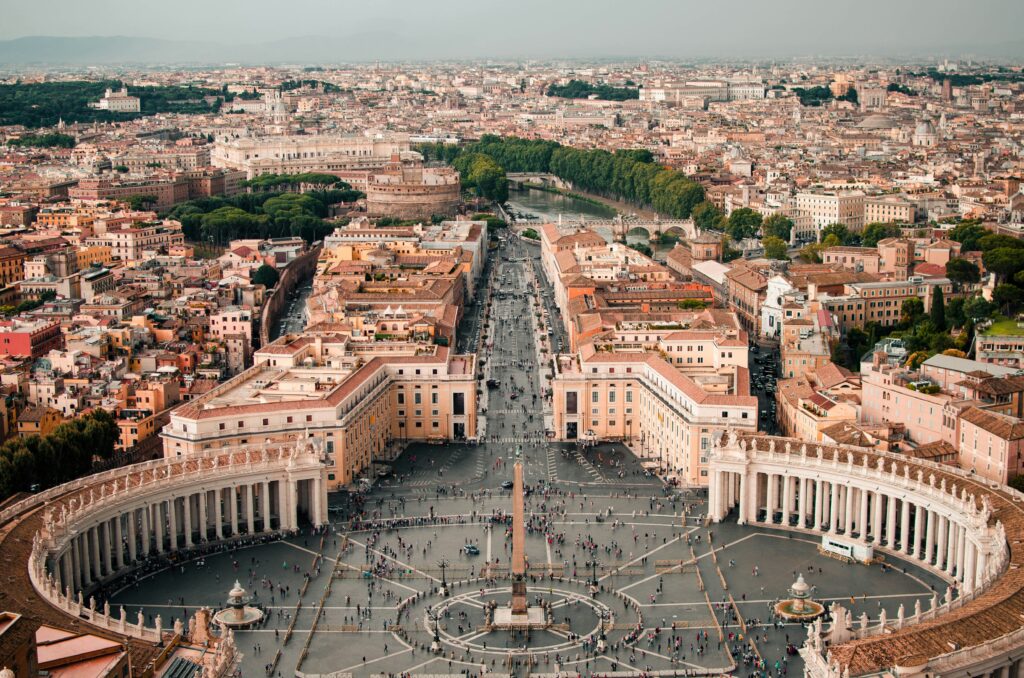
- Midday: St. Peter’s Basilica (free entry, but expect a queue for security. Go just after the museums before the main tourist rush arrives) and St. Peter’s Square
- Optional: Climb the dome of St. Peter’s for one of Rome’s most spectacular panoramas. There are 231 steps to the terrace, or 320 steps to the very top (no elevator available for the final section)
- Afternoon: Explore the Prati neighborhood around the Vatican. There are excellent trattorias, great gelato, and a relaxed, local atmosphere away from tourist crowds
- Evening: Castel Sant’Angelo at sunset. The fortress is beautiful from the outside and worth the admission for the rooftop view over the Tiber
| Booking Alert Vatican Museums tickets must be booked weeks (sometimes months) in advance in peak season. If you wait until arrival, you will almost certainly face hours of queuing or sold-out slots. Book the moment your travel dates are confirmed. |
Day 3: Rome’s Piazzas, Markets & Hidden Corners
Day three is for slowing down and experiencing Rome the way Romans actually live it. No major museums today, just the city’s streets, piazzas, and neighborhoods.
- Morning: Piazza Navona, the Pantheon (Book a timed entry online. It now charges a small fee), and the surrounding lanes of the historic center
- Mid-Morning: Campo de’ Fiori market (mornings only) for fresh produce, street food, and local life
- Lunch: Eat standing at the bar, a tramezzino (finger sandwich). Have a glass of prosecco is a perfectly Roman lunch
- Afternoon: Trevi Fountain (beautiful, but crowded) Visit mid-afternoon when tour groups clear out. Then walk up to the Spanish Steps and the Villa Borghese gardens.
- Late Afternoon: Borghese Gallery if you pre-booked (strictly timed, maximum 2 hours, but one of the world’s finest small art museums)
- Evening: Dinner in Testaccio or Pigneto (Rome’s most local neighborhoods), then a late-night walk back past the illuminated Pantheon and Piazza Navona
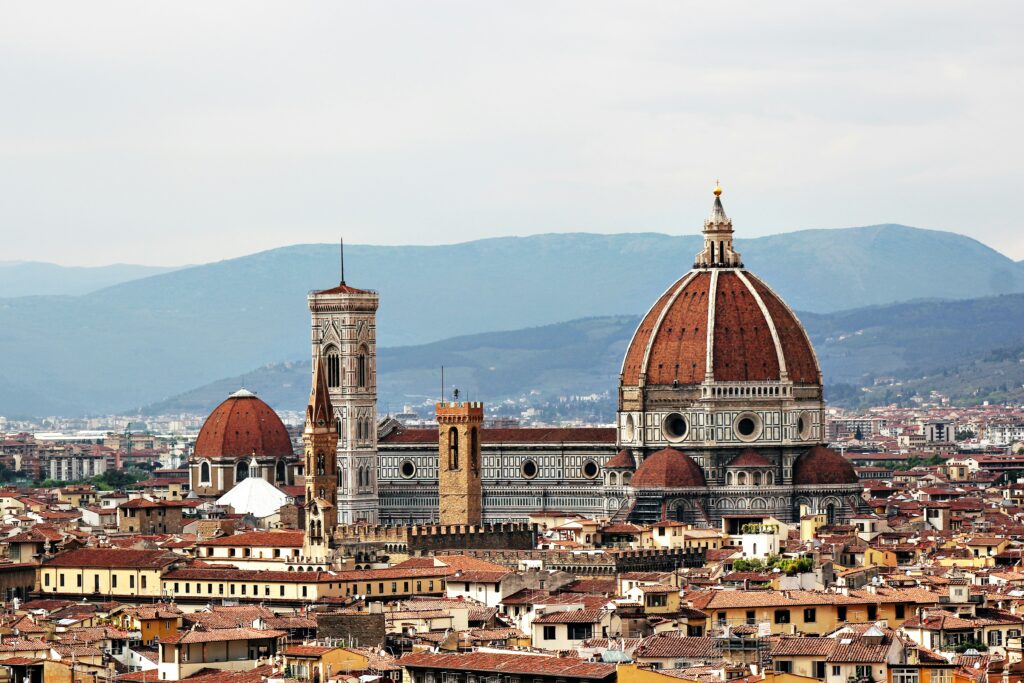
Days 4-6: Florence- Cradle of the Renaissance
Take the morning Frecciarossa from Roma Termini to Firenze Santa Maria Novella. The journey takes 1 hour 30 minutes, and the frequency of departures means you can have a leisurely Roman breakfast before boarding. Florence is smaller and slower than Rome.
| Train: Rome to FlorenceFrecciarossa / Italo | Duration: ~1h 30min | Frequency: Every 30 min | From ~$25 booked in advance. Depart Roma Termini, arrive Firenze Santa Maria Novella (the station is a 10-minute walk from the Duomo). |
Day 4: Arriving in Florence – Duomo, Oltrarno & First Impressions
Check into your accommodation and take the afternoon to get oriented. Florence rewards wandering. The historic center is compact and almost entirely flat.
- Afternoon: Walk to the Piazza del Duomo and simply stand in front of Brunelleschi’s dome. Book your Duomo Complex ticket in advance (includes the dome climb, baptistery, and campanile. Allow a full morning later in the week)
- Late Afternoon: Cross the Ponte Vecchio and explore the Oltrarno neighborhood on the south bank. This is Florence’s most artisan, less-touristy quarter, full of independent workshops, leather goods, and aperitivo bars
- Evening: Aperitivo hour in Oltrarno (many bars offer free snacks with your drink between 6–9pm), then dinner at a neighborhood trattoria. Look for handwritten menus, no photographs of food, and locals eating
Day 5: The Uffizi, the David & Renaissance Florence
This is your big museum day. The Uffizi and the Accademia are both non-negotiable on a first visit to Florence. Book both well in advance.
- Morning: Uffizi Gallery — allow 3 hours minimum. Botticelli’s Birth of Venus and Primavera, Caravaggio, Leonardo, Raphael, Michelangelo — this is one of the world’s greatest art collections. Start in Room 2 and work chronologically
- Lunch: Mercato Centrale (the upstairs food hall is excellent for a quick, high-quality lunch at Florentine prices) or a focaccia from one of the vendors around Piazza della Repubblica
- Afternoon: Accademia Gallery to see Michelangelo’s David. Nothing prepares you for how large and how astonishing the original is. Allow 1.5 hours.
- Late Afternoon: Climb to Piazzale Michelangelo for the iconic sunset panorama over Florence. Go 30–40 minutes before sunset and stake your spot early
- Evening: Dinner near Santa Croce- try ribollita (the classic Florentine bean and bread soup) and a glass of Chianti Classico
| Uffizi StrategyThe Uffizi has recently expanded and now takes 3–4 hours to do properly. Start at the ticket office entrance (not the gift shop side), pick up the free floor plan, and follow the numbered rooms in sequence. Skip the queues entirely by booking online. |
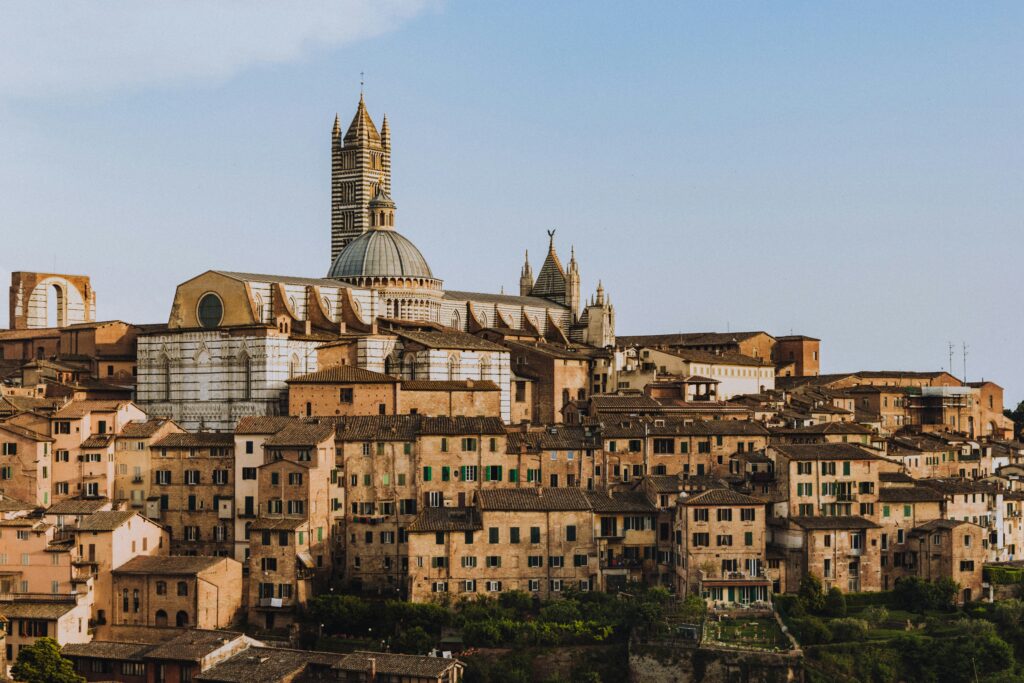
Day 6: Day Trip to Siena or Cinque Terre
Florence’s greatest advantage as a base is its central position. Both Siena and Cinque Terre are reachable as day trips, offering completely different experiences. Choose based on what you want from the day.
Option A: Siena (1 hour by bus or train)- Florence’s great medieval rival is one of Italy’s most beautifully preserved hill towns. The Piazza del Campo (the shell-shaped central square) is extraordinary. The Duomo interior rivals Florence’s own. Siena is manageable in a day and feels genuinely different from the Renaissance grandeur of Florence.
Option B: Cinque Terre (1 hour 40 minutes by train from Florence to La Spezia, then a short regional train). Five colorful fishing villages clinging to cliff-sides above the Ligurian Sea. Book a Cinque Terre Card if you plan to hike between villages. Start in Riomaggiore or Manarola and work your way north. Go on a weekday and start early to avoid the worst of the summer crowds.
| Day Trip Decision If you love medieval architecture, hill towns, and art history, choose Siena. If you want coastal scenery, swimming, and fresh seafood in a setting unlike anything else in Italy, choose Cinque Terre. Both are excellent. You simply cannot go wrong. |
Days 7-9: Venice – The Floating City
The Frecciarossa from Firenze Santa Maria Novella to Venezia Santa Lucia takes approximately 2 hours and deposits you directly onto the Venice waterfront. Step off the train and you are already in one of the world’s most extraordinary urban environments. There is no car traffic, no motorbikes, no honking horns. There is just water, footsteps, and the gentle lapping of canals.
| Train: Florence to Venice Frecciarossa / Italo | Duration: ~2h | Frequency: Hourly | From ~$25 booked in advance. Depart Firenze Santa Maria Novella. Arrive Venezia Santa Lucia (the station opens directly onto the Grand Canal). |
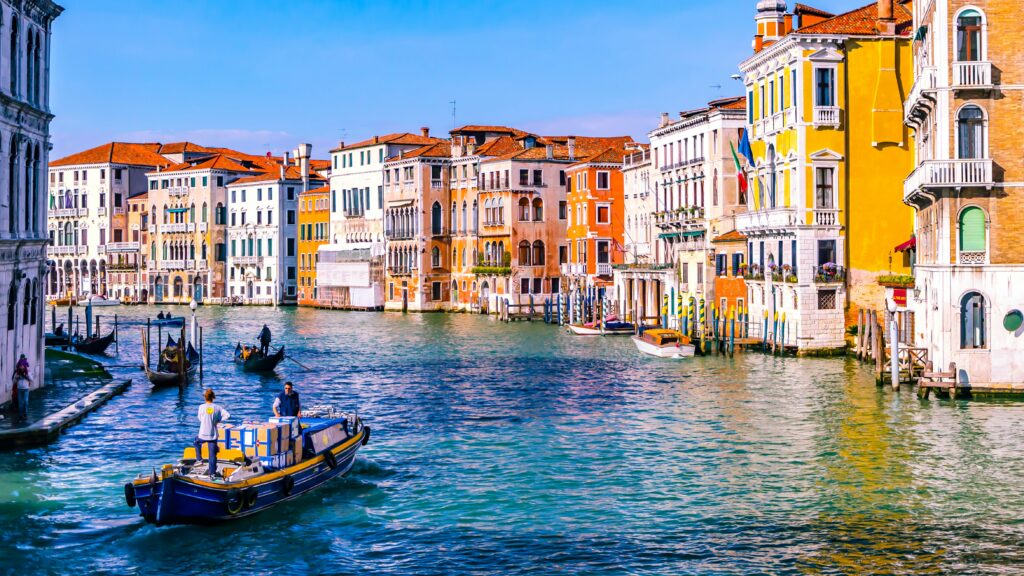
Day 7: Arriving in Venice – San Marco & the Grand Canal
Drop your bags and resist the urge to immediately head to St. Mark’s Square. Instead, take a vaporetto (water bus) Line 1 down the entire length of the Grand Canal. It takes about 45 minutes and costs just a few euros. This single journey is one of the great urban experiences in Europe.
- Afternoon: Grand Canal vaporetto ride (Line 1 from the station to San Marco), then Piazza San Marco and St. Mark’s Basilica exterior
- St. Mark’s Basilica: Book timed entry in advance to skip the queue (which can be 90+ minutes). The golden Byzantine mosaics inside are breathtaking.
- Late Afternoon: Doge’s Palace- the former seat of Venetian power, with extraordinary state rooms and the famous Bridge of Sighs. Pre-book tickets.
- Evening: Cicchetti bar crawl through the Cannaregio or Castello sestieri – Cicchetti are small Venetian tapas served at bacari (wine bars) from around 6pm. Order a glass of ombra (house wine) and try the baccala mantecato (creamed salt cod on polenta).
| Avoiding Crowds in Venice St. Mark’s Square is genuinely overwhelming between 10am and 4pm in peak season. Visit early in the morning (before 8am is magical) or in the evening after 7pm when day-trippers have left. The city transforms completely once the tourist crowds thin out. |
Day 8: Islands of Murano and Burano
This is one of the highlights of any Venice trip, a full day exploring the islands of the Venetian Lagoon. Take an early vaporetto from Fondamente Nove and spend the day away from the crowds.
- Morning: Murano- Venice’s glass-blowing island, just 15 minutes by vaporetto. Watch master glassblowers at work at one of the historic furnaces (Fornace Mian and Vetreria Artistica Colleoni both offer free demonstrations). Explore the island’s quiet canals and pick up handmade glass at far better prices than in Venice proper.
- Midday: Lunch on Murano- a simple fish lunch at a local trattoria (the island has several excellent ones without the tourist markups of central Venice)
- Afternoon: Burano- the brightly painted fishing village (Each house is painted a different saturated color by local tradition. This was to help fishermen identify their homes in thick, dense fog). Take photographs from the small bridges over the canals. Visit the Lace Museum if interested.
- Late Afternoon: Optional stop at Torcello- Venice’s oldest settlement, now mostly deserted but with a remarkable cathedral (Santa Maria Assunta) containing 11th-century Byzantine mosaics
- Evening: Return to Venice in time for a sunset Aperol Spritz on a canal-side terrace
| Vaporetto Pass Buy a 24- or 48-hour vaporetto pass rather than individual tickets. It pays for itself quickly if you are using the water buses to explore the islands. Available at ticket booths in each vaporetto stop or on the ACTV app. |
Day 9: Venice’s Hidden Sestieri & Secret Passages
Spend your final Venice day exploring the neighborhoods that most visitors never reach. Venice has six sestieri (districts) and the majority of tourists never leave San Marco and Cannaregio. Today, go elsewhere.
- Morning: Dorsoduro – home to the Peggy Guggenheim Collection (one of Europe’s finest modern art museums, in Guggenheim’s former palace on the Grand Canal) and the Gallerie dell’Accademia (Venetian paintings from the 14th–18th centuries)
- Afternoon: Castello- Venice’s largest sestiere and the most residential. Walk through Via Garibaldi (a wide street lined with local bars and produce stalls), through the Giardini Pubblici, and along the quiet canals near the Arsenale
- Optional: Secret Passages of the Doge’s Palace tour- a separate bookable experience that takes you through the palace’s hidden chambers, interrogation rooms, and prison cells that the standard tour misses entirely
- Late Afternoon: A final gondola ride at dusk- Yes, it is touristy. Yes, you should do it. The late golden light on the canal walls is unlike anything else. Negotiate directly with gondoliers near smaller canals rather than at the major stands for a slightly less tourist-facing experience.
- Evening: Dinner in Cannaregio near the Jewish Ghetto (the world’s first ghetto, established in 1516, and now a beautiful, quiet part of Venice with excellent restaurants)
Day 10: Departure Day
Your final morning in Italy. How you use it depends on your flight time and where you are heading home from.
Option A: Depart from Venice
Venice Marco Polo Airport (VCE) is connected to the city by Alilaguna water bus (a lovely final journey across the lagoon, about 75 minutes) or by land bus via Piazzale Roma (30 minutes, much cheaper). Allow extra time. Venice’s island location means getting to the airport is slower than in most cities. Take a final early-morning walk through St. Mark’s Square before the day-trippers arrive, then make your way to the airport.
Option B: Return South by High-Speed Train
If you are flying home from Rome or need to return south, the morning Frecciarossa to Rome takes 3.5 hours from Venice Santa Lucia. Catch a 7 or 8am departure and you will be back in Rome by midday. You should have time for a final Roman lunch before heading to the airport. Alternatively, stop in Bologna (45 minutes from Venice) for a final meal in Italy’s unofficial food capital. The tagliatelle al ragu in the city that invented the dish is a perfect send-off.
| Final Morning Tip If your flight allows, wake up at 6am on Day 10 and walk through Venice before the city wakes up. The early morning light on the water, with almost no other tourists in sight, is one of the most beautiful things you will see in Italy. Carry it home with you. |
Quick Reference: 10-Day Italy Itinerary Summary
- Day 1 — Rome: Colosseum, Roman Forum, Trastevere aperitivo
- Day 2 — Rome: Vatican Museums, Sistine Chapel, St. Peter’s Basilica
- Day 3 — Rome: Pantheon, Trevi Fountain, Borghese Gallery (if booked), Testaccio dinner
- Day 4 — Florence: Arrive by train, Duomo exterior, Ponte Vecchio, Oltrarno
- Day 5 — Florence: Uffizi Gallery, Accademia (David), Piazzale Michelangelo sunset
- Day 6 — Day Trip: Siena (medieval hill town) OR Cinque Terre (coastal villages)
- Day 7 — Venice: Arrive by train, Grand Canal vaporetto, St. Mark’s, Doge’s Palace, cicchetti
- Day 8 — Venice Islands: Murano (glass-blowing) + Burano (painted village) + optional Torcello
- Day 9 — Venice: Dorsoduro, Castello, Peggy Guggenheim, gondola at dusk
- Day 10 — Departure: Early morning walk, depart from Venice OR return south to Rome
Frequently Asked Questions
Is 10 days enough for Rome, Florence and Venice?
Yes, ten days is the sweet spot for this itinerary. Three days in each city gives you enough time to cover the major highlights without rushing, plus one day trip from Florence. If you have more time, adding two or three days would allow you to explore Tuscany more deeply. Visit Naples and Pompeii, or slow down and spend more time in whichever city captures you most
How much does a 10-day Italy trip cost?
Budget varies widely depending on travel style. A rough per-person guide in USD: budget traveler (hostels, local food, advance trains) $100–$140 per day. Mid-range (3-star hotels, mix of restaurant meals, some guided tours) $200–$280 per day. Comfort traveler (4-star hotels, daily restaurant dining, private tours) $350–$500+ per day. The biggest variable is accommodation. Hotel prices in Venice can double in peak summer.
What is the best order to visit Rome, Florence and Venice?
Rome first is strongly recommended. Rome is Italy at its most overwhelming and energetic. Starting there sets the tone for the trip. Ending in Venice is ideal because the floating city is the most unlike anywhere else you will visit. It makes a memorable final chapter. Florence sits perfectly in the middle, acting as a calm, elegant counterpoint to the scale of Rome and the uniqueness of Venice.
Do I need to book a guided tour?
You do not need to, but a guided tour for the Vatican is strongly recommended for a first visit. A good guide makes the Vatican Museums genuinely understandable rather than a bewildering sequence of rooms. The same is true for the Colosseum, where understanding the history enormously enhances the experience. Budget around $50–$80 per person for a small-group tour at each of these sites.
What should I pack for this itinerary?
Comfortable walking shoes are the single most important thing. You will walk 8–15 kilometers per day on cobblestones. Pack a lightweight scarf or wrap for church visits (shoulders and knees must be covered at Vatican, St. Peter’s, and major churches throughout Italy). A small daypack is useful for day trips. If visiting in summer, bring sunscreen and a water bottle. Italy has drinkable tap water and free public fountains throughout Rome and Florence. Public fountains labeled “acqua potabile” are safe.
Ready to start planning? Browse our complete Italy travel guides for Rome, Florence, Venice, and the Amalfi Coast using the links in our Italy Pillar Page.
Last updated: 2026 | Related: 7 Days in Italy | 2 Weeks in Italy | Italy Travel Guide
Ready for Italy? Book All the Tours Here
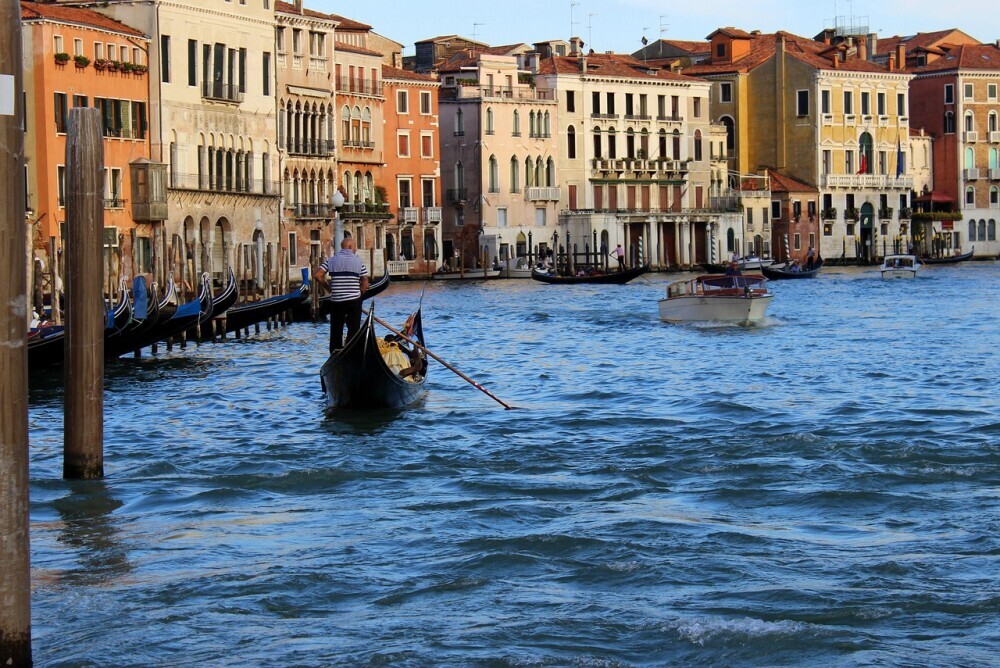
Image Credits: