2-Week Italy Itinerary
Why 2 Weeks Is the Perfect Length for an Italy Trip
Italy is one of the world’s most rewarding destinations – but it rewards those who slow down. A 2-week Italy itinerary gives you just enough time to experience the country’s iconic highlights without the pace of a 10-day sprint. You get leisurely mornings in Rome, lazy lunches in Puglia, golden-hour views over Florence, and a final sunset from Venice. This guide is designed for first-time and returning visitors who want depth over distance.
14-Day Italy Itinerary at a Glance
Use this quick reference to see your full journey before diving into the day-by-day detail:
| Day | City / Region | Highlights |
|---|---|---|
| 1–2 | Rome | Colosseum, Roman Forum, Vatican, Trastevere |
| 3 | Naples | Pizza, Spaccanapoli, underground Naples |
| 4 | Pompeii & Amalfi Coast | Ruins of Pompeii, Positano, scenic drive |
| 5 | Matera | Sassi cave dwellings, UNESCO World Heritage |
| 6 | Alberobello & Bari | Trulli houses, old port, fresh seafood |
| 7 | Lecce | ‘Florence of the South’, baroque architecture |
| 8 | Florence (arrive) | David, Ponte Vecchio, Uffizi, Piazzale Michelangelo |
| 9 | Florence | Uffizi Gallery, Pitti Palace, Oltrarno |
| 10 | Siena & San Gimignano | Piazza del Campo, medieval towers |
| 11 | Cinque Terre | Five villages, coastal hiking trails |
| 12 | Milan | The Last Supper, Duomo, Navigli canals |
| 13 | Lake Como & Bellagio | Villa Carlotta, lakeside walks |
| 14 | Venice | Grand Canal, St. Mark’s, gondola, departure |
Practical Information for Your Italy Trip
Days 1–2: Rome — The Eternal City
No 2-week Italy itinerary begins anywhere other than Rome. The Eternal City rewards every visitor with layers of history that stretch 2,800 years deep. Two days here barely scratches the surface, but with smart planning you will hit the unmissable landmarks and feel the city’s living pulse.
Day 1 — Ancient Rome
- Morning: Colosseum (book timed-entry tickets online in advance) and Roman Forum / Palatine Hill – allow 3 hours
- Afternoon: Capitoline Hill, Circus Maximus, Mouth of Truth (Bocca della Verità)
- Evening: Dinner in Trastevere – Rome’s most atmospheric neighborhood, full of vine-draped trattorias
Day 2 — Vatican & Baroque Rome
- Early morning: Vatican Museums and Sistine Chapel (first slot is essential — arrive before the crowds)
- Mid-morning: St. Peter’s Basilica and climb the dome for panoramic views over the city
- Afternoon: Piazza Navona, Campo de’ Fiori, and a stop at the Pantheon
- Sunset: Trevi Fountain and Spanish Steps – magical in the early evening light
- Night: Aperitivo in the Prati neighborhood near the Vatican
Day 3: Naples – Chaos, Pizza & Soul
The high-speed train from Rome to Naples takes just 70 minutes. A day in this electric, gritty, magnificent city is entirely feasible. Naples is unlike anywhere else in Italy: loud, layered, and utterly authentic.
- Morning train from Rome Termini to Naples Centrale (departs ~8:30 AM, arrives ~10 AM)
- Explore Spaccanapoli – the arrow-straight street that bisects the old city, lined with churches, street food stalls, and presepe workshops
- UNESCO-listed historic center: Chiesa di San Gregorio Armeno, Gesù Nuovo, Duomo di Napoli
- Lunch: Your first real Neapolitan pizza at L’Antica Pizzeria da Michele or Sorbillo (budget €6–10)
- Afternoon: National Archaeological Museum – home to the finest Pompeii artefacts in the world
- Optional: Naples Underground (Napoli Sotterranea) – tunnels, cisterns, and ancient Greek-Roman layers beneath the city
- Transfer to your Amalfi Coast base (Sorrento or Positano) by early evening
Day 4: Pompeii & the Amalfi Coast
Day 4 of your 2-week Italy itinerary combines one of archaeology’s greatest sites with one of the Mediterranean’s most iconic coastlines. Start early at Pompeii before the midday heat, then curve south along the Amalfi Drive.
- 7:30 AM: Pompeii Archaeological Park opens – walk the ancient streets, see plaster casts of victims, the Forum, bathhouses, and Villa of the Mysteries
- Allow 3–4 hours minimum at Pompeii. Guided tours add significant context.
- Midday: Drive the SS163 Amalfitana – one of the world’s great coastal roads with dramatic hairpin bends
- Positano: Staircase streets tumbling to a pebble beach – perfect for lunch with a view
- Ravello: Hilltop village with Villa Rufolo gardens overlooking the sea
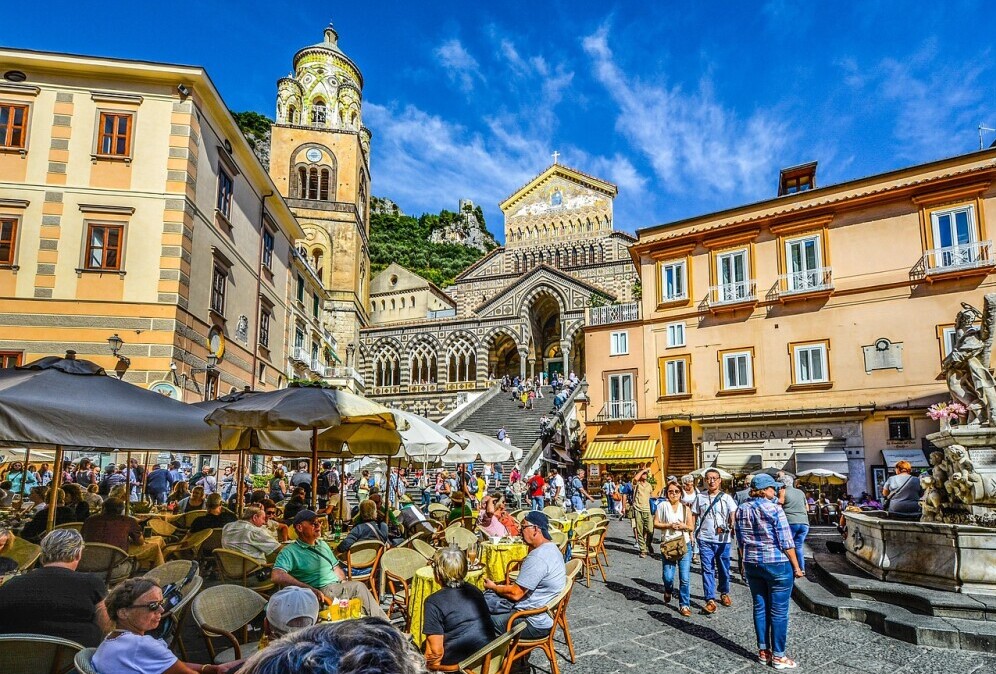
- Amalfi town: Cathedral, paper museum, limoncello shopping
Day 5: Matera – City Carved in Stone
Matera is one of the most extraordinary places in Europe. It is a city of ancient cave dwellings (sassi) carved into a ravine in Basilicata. It served as European Capital of Culture in 2019 and appeared in the James Bond film No Time to Die. It routinely appears on lists of the world’s most unique destinations.
- Drive from the Amalfi area (~2.5 hours inland – allow for mountain roads)
- Sasso Caveoso: The older and more atmospheric of the two sassi districts
- Sasso Barisano: Slightly more restored, with boutique hotels built into caves
- Chiesa Rupestre di Santa Lucia alle Malve: Rock-hewn cave church with Byzantine frescoes
- Belvedere viewpoints: Photograph the sassi from across the ravine – beautiful at golden hour
- Dinner in a cave restaurant – an unforgettable setting for Lucanian cuisine (lamb, cruschi peppers, orecchiette)
- Sleep in a cave hotel (sextio) for the complete experience
Day 6: Alberobello & Bari – The Heart of Puglia
Puglia (the ‘heel’ of Italy’s boot) is one of the country’s most underrated regions. It’s sun-baked, white-washed, and exceptionally delicious. Day 6 takes you through Alberobello’s fairytale trulli to the vibrant port of Bari.
- Alberobello: UNESCO-listed village of 1,500+ trulli – whitewashed limestone huts with conical stone roofs dating to the 14th century
- Explore the Rione Monti district – the most photographed trulli cluster
- Trullo Sovrano: The only two-story trullo in existence, open to visitors
- Afternoon: Arrive in Bari – the Pugliese capital on the Adriatic
- Bari Vecchia: The labyrinth type old city – get wonderfully lost in its alleyways
- Basilica di San Nicola: One of southern Italy’s finest Romanesque churches
- Lungomare: Bari’s waterfront promenade – perfect for the evening passeggiata
- Dinner: Fresh raw seafood (crudo) and orecchiette alle cime di rapa – Puglia’s signature pasta dish
Day 7: Lecce – The Florence of the South
Lecce is a revelation – a Baroque city built in golden limestone so richly carved it looks like lacework. Nicknamed the ‘Florence of the South’. It’s less visited than it deserves to be. You’ll experience authentic Pugliese life alongside breathtaking architecture.
- Piazza del Duomo: The cathedral, episcopal palace, and bell tower form one of Italy’s most harmonious squares
- Basilica di Santa Croce: The is a supreme masterpiece of Lecce Baroque. Its facade took 150 years to complete
- Roman Amphitheatre: 2nd-century arena sitting in the center of the modern city (Piazza Sant’Oronzo)
- Galleria Vantaggiato: A beautiful Art Nouveau covered gallery for afternoon shopping
- Pasticciotto leccese: The local pastry – short-crust filled with custard cream, invented in Lecce
- Afternoon train back north toward your connection to Florence
Days 8–9: Florence – The Cradle of the Renaissance
Florence (Firenze) is arguably the greatest concentration of art and architecture in the world. It’s packed into a walkable medieval city center. Two days allow you to hit the great museums without rush. Explore the Oltrarno neighborhood and day-trip into Tuscany’s incomparable countryside.
Day 8 – Renaissance Masterpieces
- Accademia Gallery: Michelangelo’s David – book timed-entry online. Allow 1.5 hours
- Duomo complex: Brunelleschi’s dome, Giotto’s Bell Tower (climb for views), Baptistery’s Gates of Paradise
- Piazza della Signoria: Neptune Fountain, Loggia dei Lanzi sculptures, Palazzo Vecchio
- Uffizi Gallery: Botticelli’s Birth of Venus, Raphael, Leonardo, Caravaggio — allow 3–4 hours; book far in advance
- Sunset: Piazzale Michelangelo – the classic Florence panorama at golden hour
- Dinner: Bistecca alla Fiorentina (T-bone steak) at a traditional trattoria
Day 9 – Oltrarno & Tuscan Countryside
- Morning: Cross Ponte Vecchio to Oltrarno – Florence’s left-bank neighborhood, full of artisans
- Pitti Palace and Boboli Gardens: Royal residence with 11 museums and manicured baroque gardens
- Piazzale Santo Spirito: Local market and neighborhood cafes – the ‘real’ Florence
- Afternoon option: Day trip to Siena and San Gimignano (see Day 10)
- Alternative: San Miniato al Monte church – breathtaking views, fewer crowds than Piazzale Michelangelo
Day 10: Siena & San Gimignano – Medieval Tuscany
Siena – Morning
- Piazza del Campo: The scallop-shaped medieval square – site of the famous Palio horse race held twice yearly
- Siena Cathedral (Duomo): One of Italy’s greatest Gothic cathedrals, with a breathtaking inlaid marble floor
- Facciatone: Climb for panoramic views over the red-tiled rooftops of Siena
- Enoteca Italiana in Fortezza Medicea: Great Tuscan wine tasting in a historic fortress
San Gimignano – Afternoon
- ‘The Manhattan of the Middle Ages’: 14 surviving medieval towers soar above a tiny hilltop village
- Piazza della Cisterna: The atmospheric heart of town, built around an ancient well
- Gelato: Gelateria Dondoli in the main piazza has won the World Gelato Championship multiple times
- Collegiata: Romanesque church with remarkable fresco cycles inside
Day 11: Cinque Terre – Five Villages on the Ligurian Sea
Cinque Terre (‘Five Lands’) is a UNESCO World Heritage coastline of five impossibly photogenic fishing villages. They are Monterosso, Vernazza, Corniglia, Manarola, and Riomaggiore, clinging to dramatic cliffs above the Ligurian Sea.
- Morning train: Florence → La Spezia (2 hours) → local Cinque Terre train
- Monterosso al Mare: The largest village, the only one with a proper beach. Start here
- Vernazza: Many consider this the prettiest for its harbor, castle, and stacked colored houses
- Corniglia: Only village not on sea level – 382 steps from the station but worth the climb
- Manarola: Arguably the most photographed – mirror-calm harbor at dusk is iconic
- Riomaggiore: The southern gateway, vibrant and lively
- Hiking: The Sentiero Azzurro (Blue Trail) connects all five villages. Check conditions. The Via dell’Amore section periodically closes.
- By boat: Hop between villages by ferry, a beautiful different perspective
Day 12: Milan – Fashion, Art & the Duomo
Milan is Italy’s most international city. It is a powerhouse of design, finance, and fashion that also happens to contain one of the world’s greatest works of art. The train from La Spezia to Milan takes just under 2 hours.
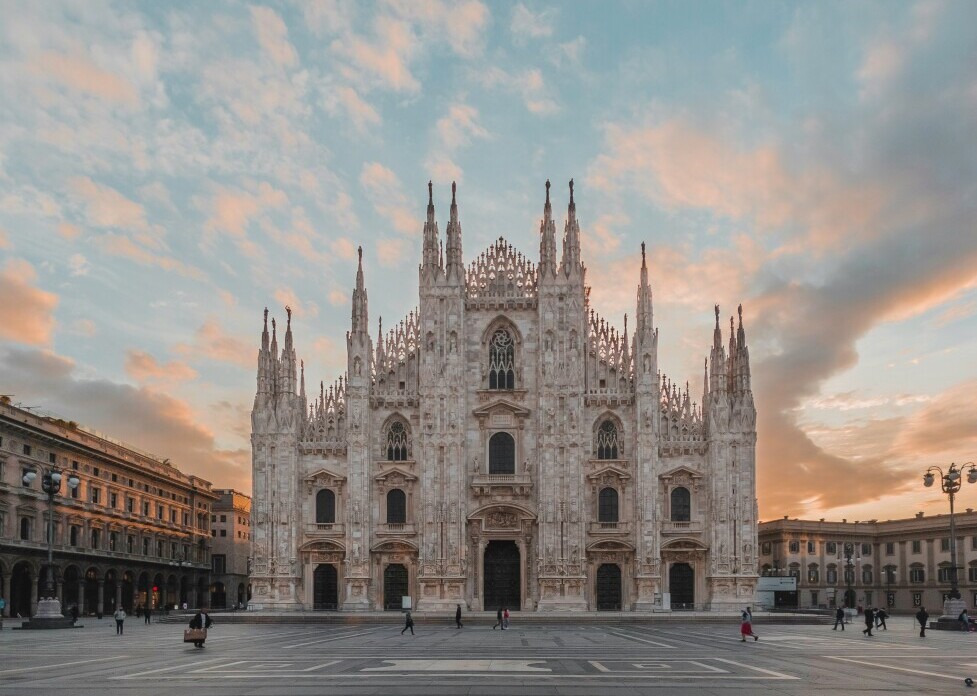
- Milan Duomo: The world’s largest Gothic cathedral – climb to the rooftop terraces for a forest of spires above the city skyline
- Galleria Vittorio Emanuele II: The 19th-century glass-vaulted arcade connecting the Duomo to La Scala opera house
- Pinacoteca di Brera: One of Italy’s finest art galleries – Raphael, Caravaggio, Piero della Francesca
- Leonardo’s Last Supper (Cenacolo Vinciano): The most essential booking of your entire trip. Visits are strictly timed to 15 minutes with only 30 people at a time. Book months in advance at cenacolovinciano.vivaticket.it
- Navigli canals: Milan’s bohemian neighborhood – perfect for the evening aperitivo ritual
- Quadrilatero d’Oro: Window-shop the world’s most prestigious fashion houses on Via Montenapoleone
Day 13: Lake Como & Bellagio – Italian Lakeside Paradise
Just 50 minutes from Milan by train, Lake Como has captivated visitors since Roman times. Its dramatic mountain-ringed waters, palatial villas, and impossibly green gardens make it one of the most romantic places in Europe.
- Morning train from Milan Centrale to Varenna-Esino (55 minutes) – the most scenic arrival point
- Varenna: A perfectly preserved small town – visit Villa Monastero and its stunning lakeside terraced garden
- Ferry across to Bellagio: The ‘Pearl of Lake Como’- a peninsula jutting into the meeting point of the lake’s two arms
- Bellagio: Stepped lanes (salite), Villa Melzi gardens, gelato at a lakefront cafe are incredibly beautiful
- Villa del Balbianello (near Lenno): Perhaps the most photogenic villa on the lake. It was featured in Casino Royale and Star Wars. Reachable by water taxi.
- Return to Milan in the evening for dinner and overnight
Day 14: Venice – The Grand Finale
Venice deserves far more than a single day. One day in this extraordinary city built on 118 islands and 400 bridges leaves an impression that lasts a lifetime. The train from Milan to Venice takes under 2.5 hours.
- Morning train: Milan Centrale → Venezia Santa Lucia (2h 20m)
- Vaporetto (water bus): Take Line 1 down the Grand Canal from the station – your first proper view of Venice unfolding around every bend
- St. Mark’s Basilica: Arrive before 10 AM to beat queues. Book skip-the-line access to the Pala d’Oro and Treasury
- Doge’s Palace: The Gothic masterpiece of Venetian governance – Bridge of Sighs, prison, lavish state rooms
- Rialto Bridge & Market: Cross the Grand Canal’s most famous bridge. Explore the fresh fish market below
- Dorsoduro: Venice’s art and student neighborhood – Peggy Guggenheim Collection, Gallerie dell’Accademia
- Gondola: The quintessential Venice experience – negotiate a flat rate before boarding. (Easiest to do in the smaller side canals)
- Murano: Take the vaporetto to watch master glassblowers if time allows
- Final dinner: Bacaro (Venetian wine bar) with cicchetti (small bites) – the most authentic Venice experience
What to Pack for 2 Weeks in Italy
Clothing
- Comfortable walking shoes – you will walk 8–15 km per day on cobblestones
- One pair of smarter shoes or sandals for evenings
- Lightweight layers – mornings can be cool even in summer
- Modest clothing for church visits (cover shoulders and knees – a scarf works perfectly)
- Compact rain jacket or travel umbrella
Essentials
- Travel insurance (strongly recommended for all international travel)
- European power adapter (Type L in Italy – three round pins)
- Portable phone charger / power bank
- Offline Google Maps downloaded for Italy before you leave
- Physical copies of all pre-booked tickets and accommodation confirmations
- EHIC / GHIC card (EU travellers) or travel health insurance documentation
FAQs: 2-Week Italy Itinerary
Everything you need to know before you go.
Ready to Plan Your Dream Italy Trip?
Italy has a way of slowing you down. You should let it. The most memorable moments rarely appear in guidebooks.
This 2-week Italy itinerary is designed to be a starting point, not a rigid schedule. Build flexibility into every day. Say yes to the unexpected, and let Italy reward you.
Ready for Italy? Book All Your Skip-the-Line Tours Here
Check out our other Italy travel itineraries: 10 Day Itinerary and 7 Day Itinerary.