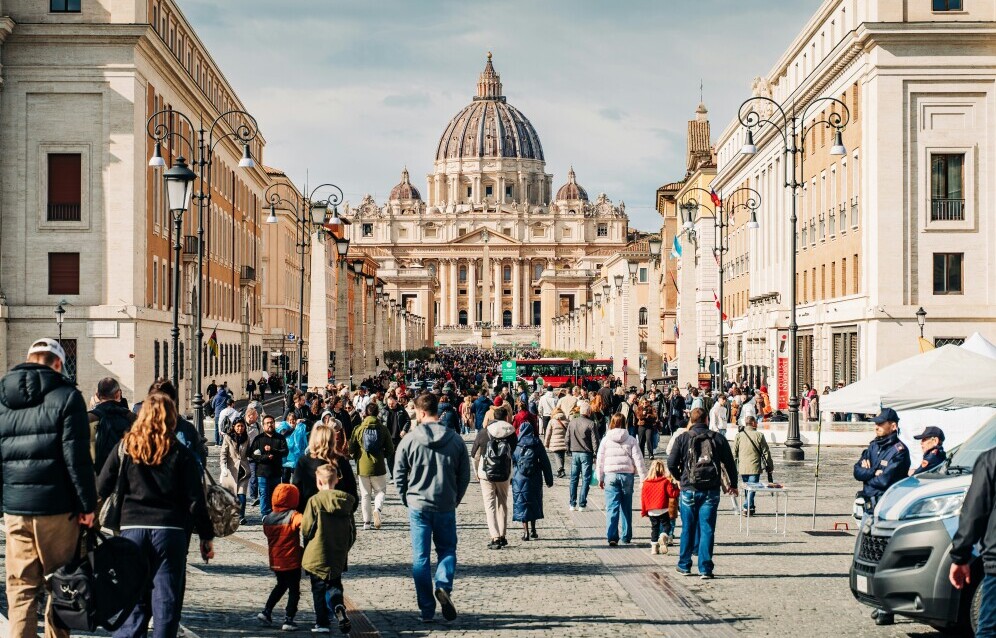
Are you tired of fighting through crowds at the Colosseum or waiting an hour for a gondola in Venice? Italy has so much more to offer than its famous landmarks. Beyond the tourist hotspots, there are quiet mountain villages, empty beaches, forgotten castles, and local restaurants where the menu is only in Italian, and that’s a good sign.
This guide will take you to 10 secret gems across four categories that most visitors never find. Get ready to see the real Italy.
Unspoiled Villages Nestled in the Mountains
These hidden hilltop towns give you authentic Italian culture without the selfie sticks.
1.Civita di Bagnoregio, Lazio
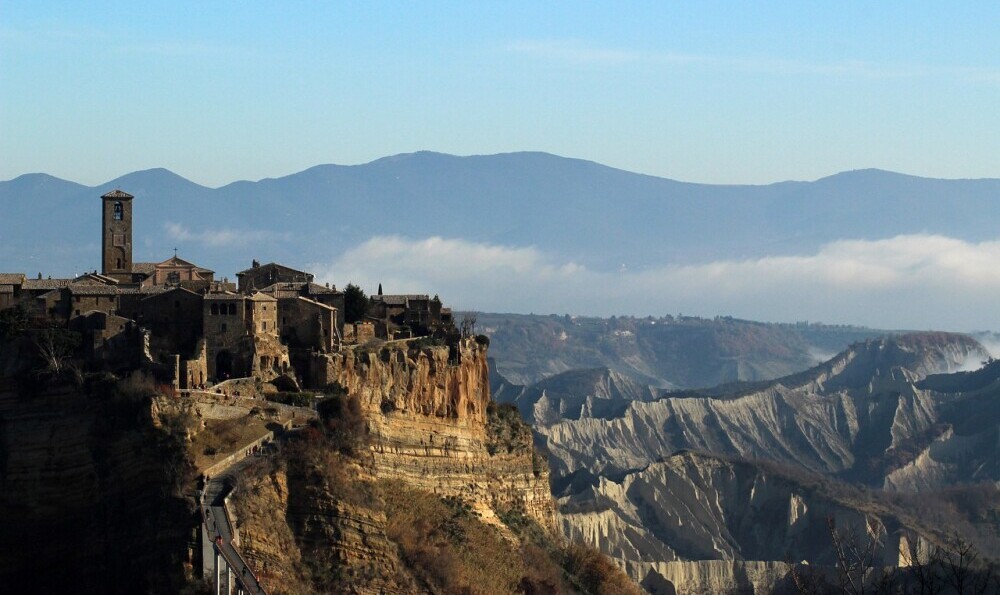
Nicknamed “the dying city,” Civita di Bagnoregio sits on a crumbling volcanic plateau and can only be reached by a narrow footbridge. Fewer than a dozen people live here year-round. Walking through its ancient stone streets feels like stepping into medieval Italy, because you basically are. Visit on a weekday morning before tour groups arrive from Rome (it’s about 1.5 hours away).
Don’t miss: The sweeping views of the Calanchi Valley from the main piazza.
2.Pietrapertosa, Basilicata
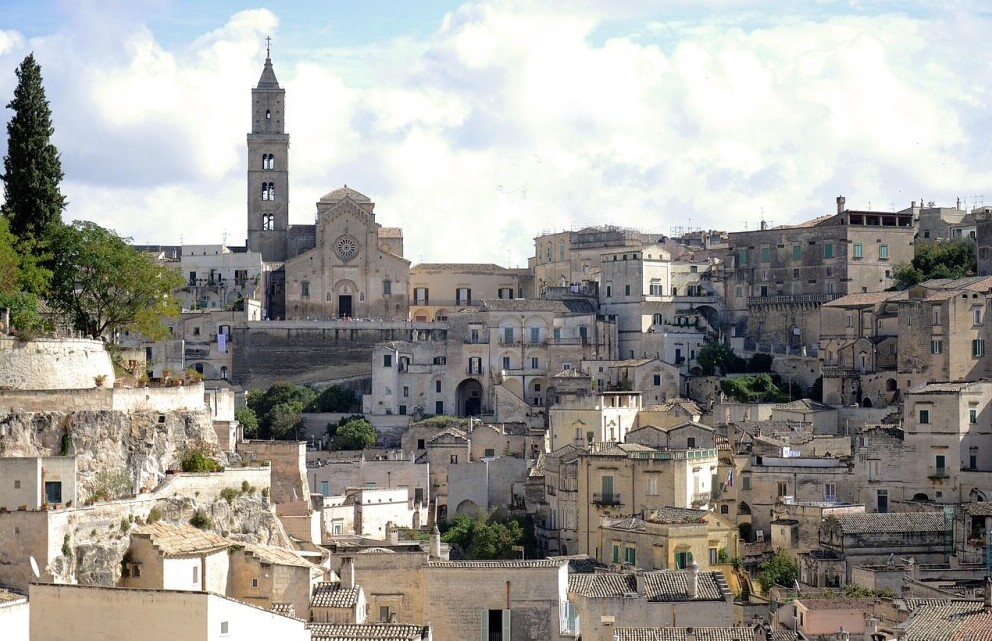
This village clings to the dramatic Dolomiti Lucane mountains in southern Italy at over 1,000 meters above sea level. It’s one of the highest villages in Basilicata and is connected to the neighboring town of Castelmezzano by the Volo dell’Angelo, a zip line over a jaw-dropping gorge. The town itself has winding alleys, cave dwellings carved into the rock, and almost no foreign tourists.
Don’t miss: The ruins of the Arab-Norman castle built into the cliff face above town.
3. Scanno, Abruzzo
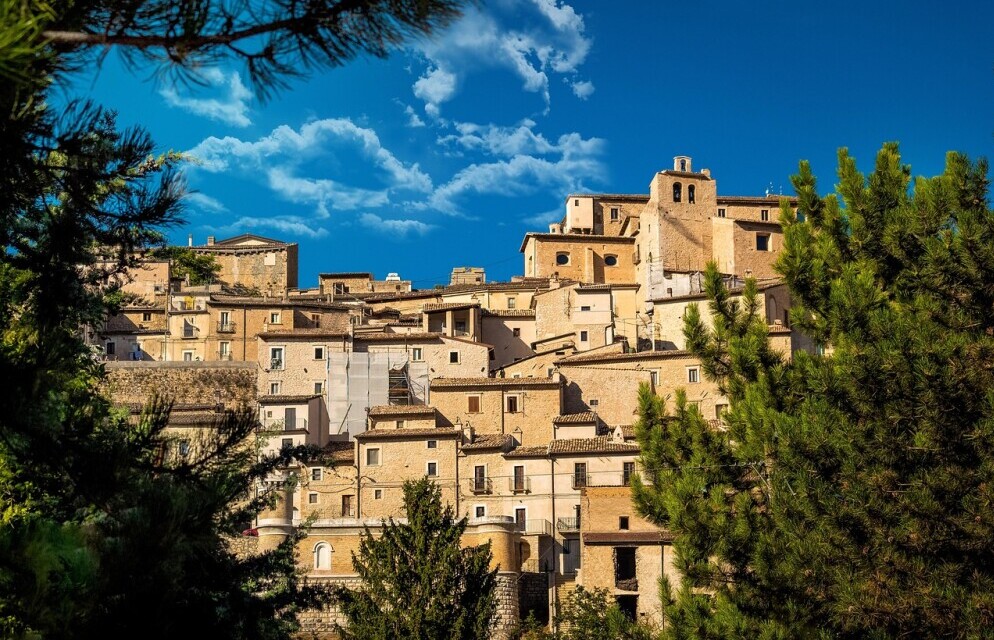
Tucked into the Apennine mountains, Scanno is one of Italy’s best-preserved medieval villages. It’s surrounded by a national park, sits beside a heart-shaped glacial lake, and still has women who wear traditional local costumes. Photographers love it. Crowds mostly don’t know it exists.
Don’t miss: Lake Scanno, best seen from the road above. The heart shape is only visible from that angle.
Secluded Beaches with Crystal Clear Waters
Skip the packed Amalfi Coast and head to these quieter stretches of coastline instead.
4. Baia dei Turchi, Puglia
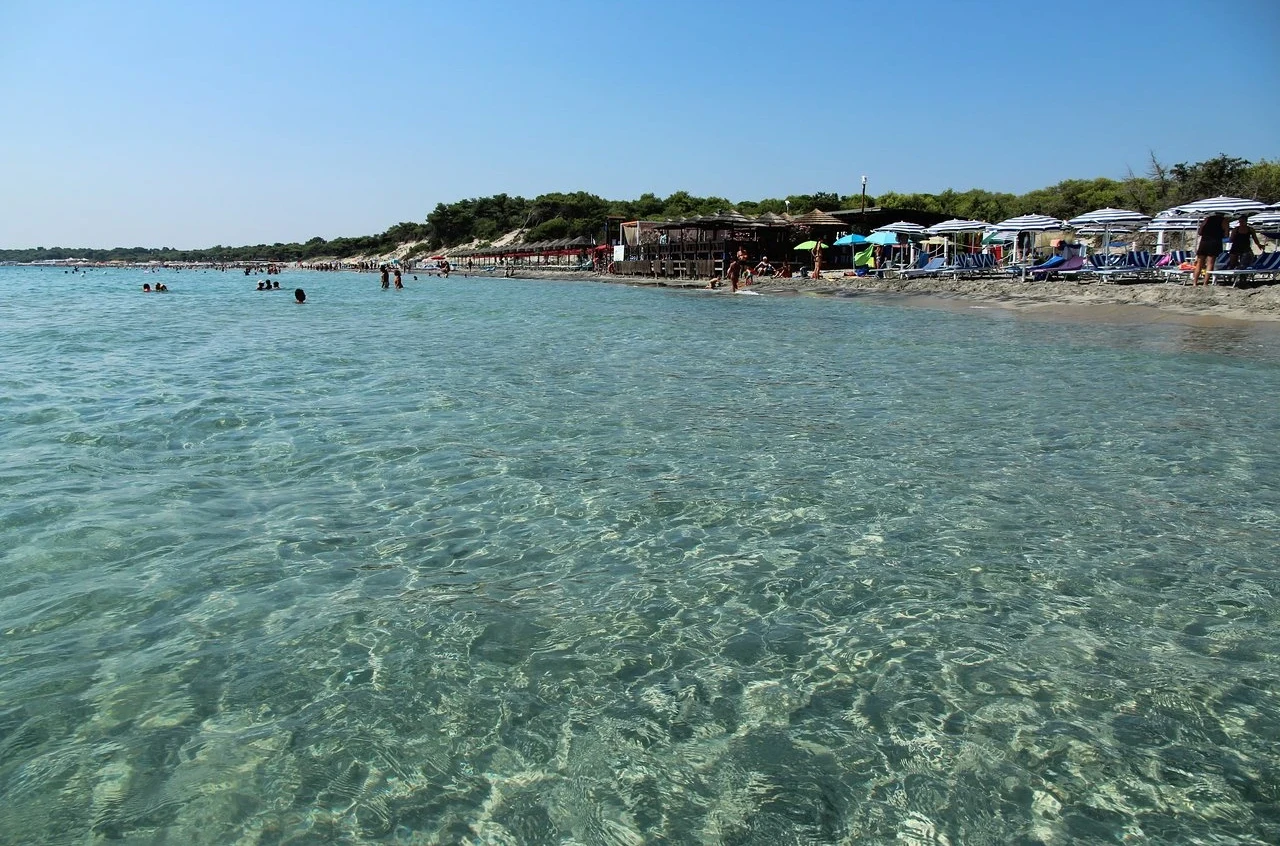
This beach on the heel of Italy’s boot is named after a Turkish landing in the 1400s. Today it’s a long stretch of white sand backed by juniper forests in a protected natural reserve. There’s no commercial development, no beach clubs, and no parking right on the beach, which keeps the crowds away. The water is the kind of clear blue that looks fake in photos.
Don’t miss: Arriving early in the morning when the light turns the water turquoise.
5. Cala Mariolu, Sardinia
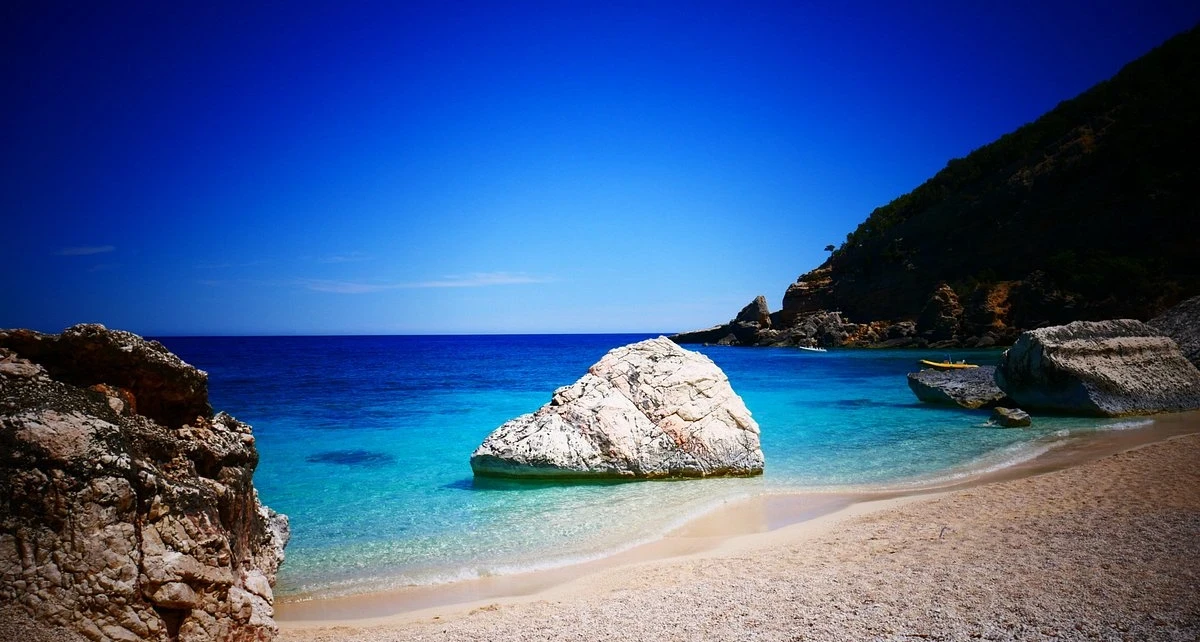
Getting to Cala Mariolu requires either a boat or a serious hike through the Gennargentu National Park — and that’s exactly why it stays beautiful. The beach is made of smooth white pebbles, the water shifts from light green to deep blue, and the limestone cliffs tower over everything. It’s regularly listed as one of the most beautiful beaches in all of Europe, yet most tourists have never heard of it.
Don’t miss: Snorkeling along the rock walls, the underwater visibility here is extraordinary.
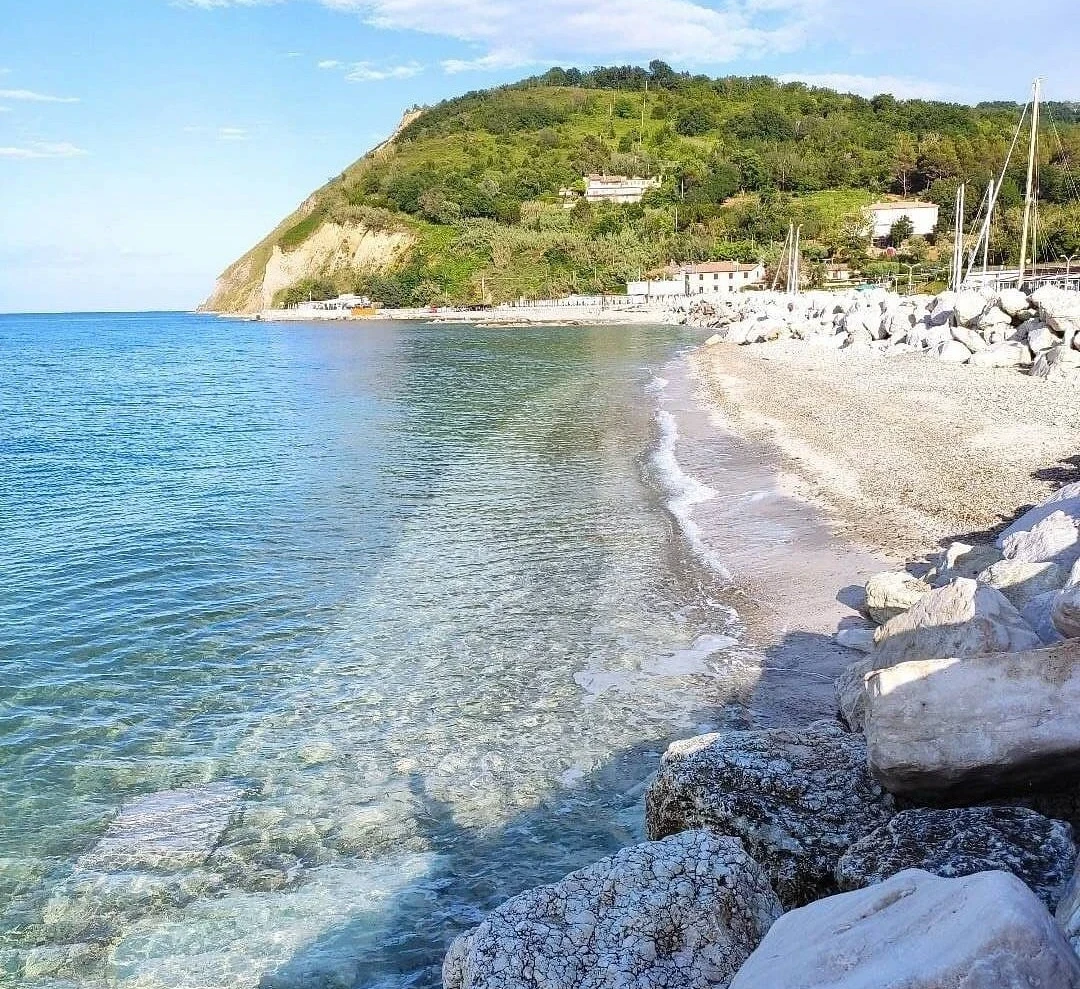
6. Spiaggia di Vallugola, Marche
The Marche region on Italy’s Adriatic coast is wildly undervisited. Vallugola is a tiny cove near Pesaro with calm water, a small medieval tower on the hill above it, and a handful of fishing boats. It feels like a secret even to many Italians. The nearby town of Fiorenzuola di Focara is a perfectly preserved medieval village worth a short detour.
Don’t miss: Sunset from the hilltop above the cove, the tower turns gold.
Historic Castles and Palazzos Away from the Crowds
Italy has thousands of castles. Here are three that are genuinely spectacular and genuinely uncrowded.
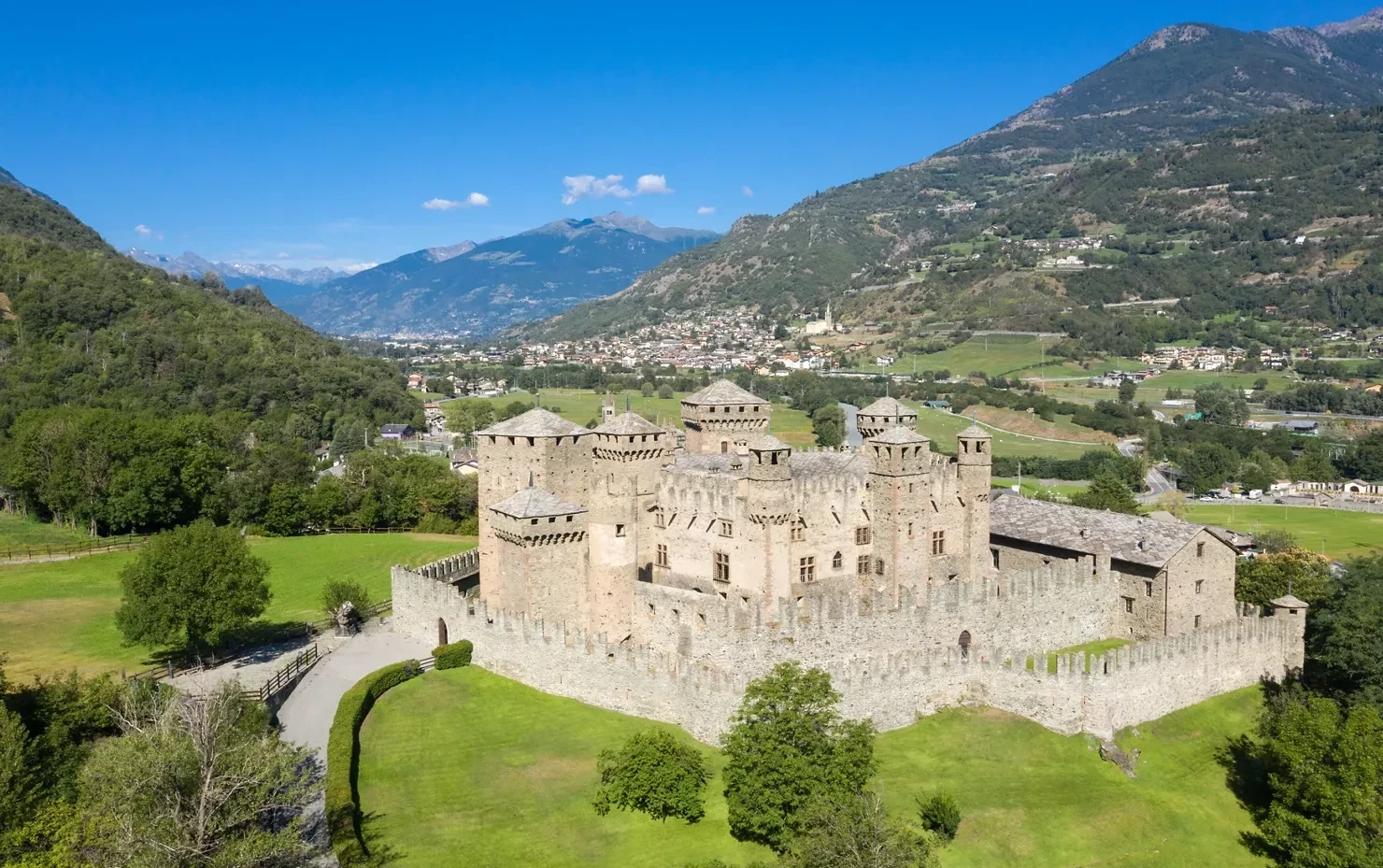
7. Castello di Fénis, Aosta Valley
Hidden in the Alps near the French border, the Castello di Fénis is one of the best-preserved medieval castles in all of Italy. It has a double ring of walls, a pentagonal courtyard, and frescoes dating back to the 1400s. Unlike the Doge’s Palace in Venice or Castel Sant’Angelo in Rome, you can actually get close to things, take your time, and have a guide mostly to yourself. Entry costs just a few euros.
Don’t miss: The frescoes in the courtyard showing St. George slaying the dragon. They’re 600 years old and still vivid.
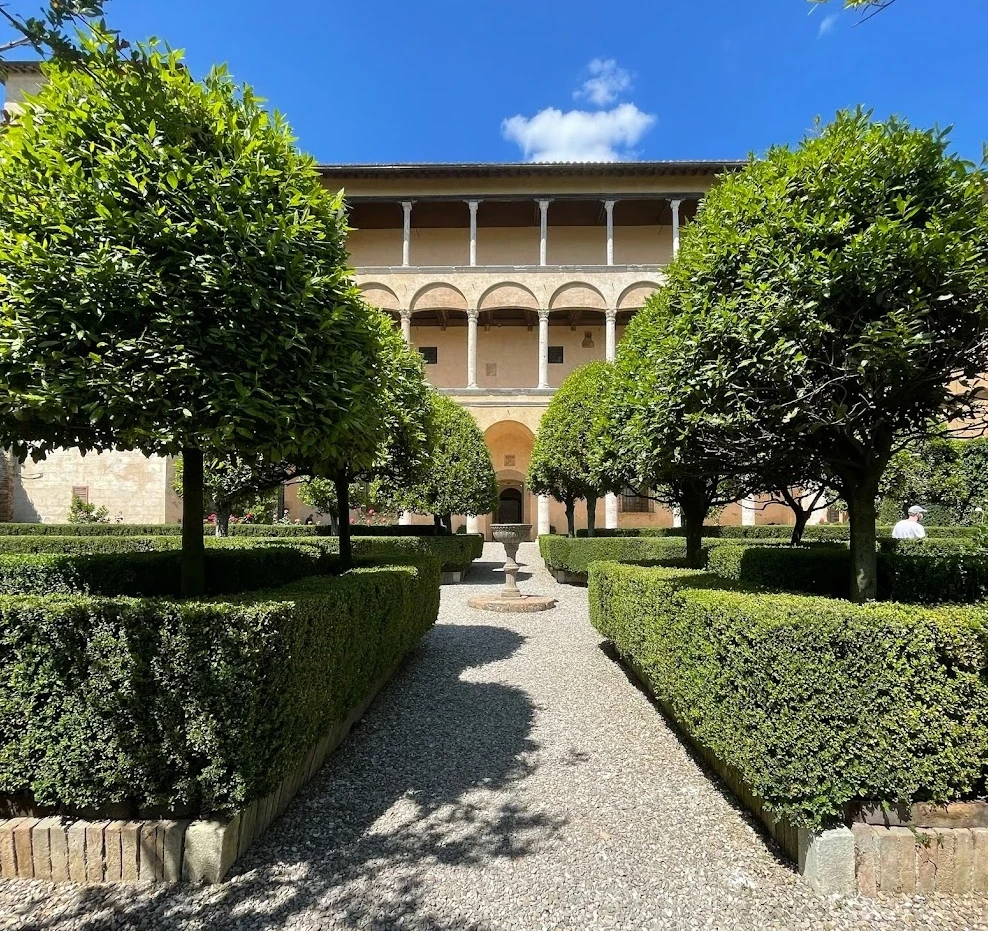
8. Palazzo Piccolomini, Pienza, Tuscany
Pienza is a tiny Renaissance city in theVal d’Orcia built almost entirely by one pope, Pope Pius II, in the 1400s. The Palazzo Piccolomini was his private residence and is still stunning. There are geometric gardens, loggia views over rolling Tuscan hills, and period rooms that haven’t been touched up into tourist-friendly blandness. The whole town is a UNESCO World Heritage Site but gets far fewer visitors than Siena or Florence.
Don’t miss: The hanging garden at the back of the palazzo with its view over theVal d’Orcia.
Quaint Cafes and Restaurants Loved by Locals
The best Italian food is never on the main piazza. Here’s where to eat like a local.
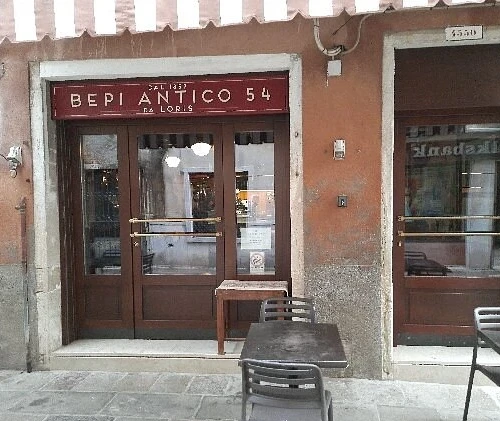
9. Trattoria da Bez, Veneto
Tucked in the wine country of the Euganean Hills near Padua, this family-run trattoria has been serving the same traditional Veneto recipes for decades. Think slow-braised meats, handmade bigoli pasta, and local wines you won’t find at a restaurant in Venice. There’s no online booking. You call ahead, in Italian if possible. Locals have Sunday lunch here with their grandparents.
Don’t miss: The bigoli in salsa, thick pasta with a anchovy and onion sauce that sounds simple but is unforgettable.
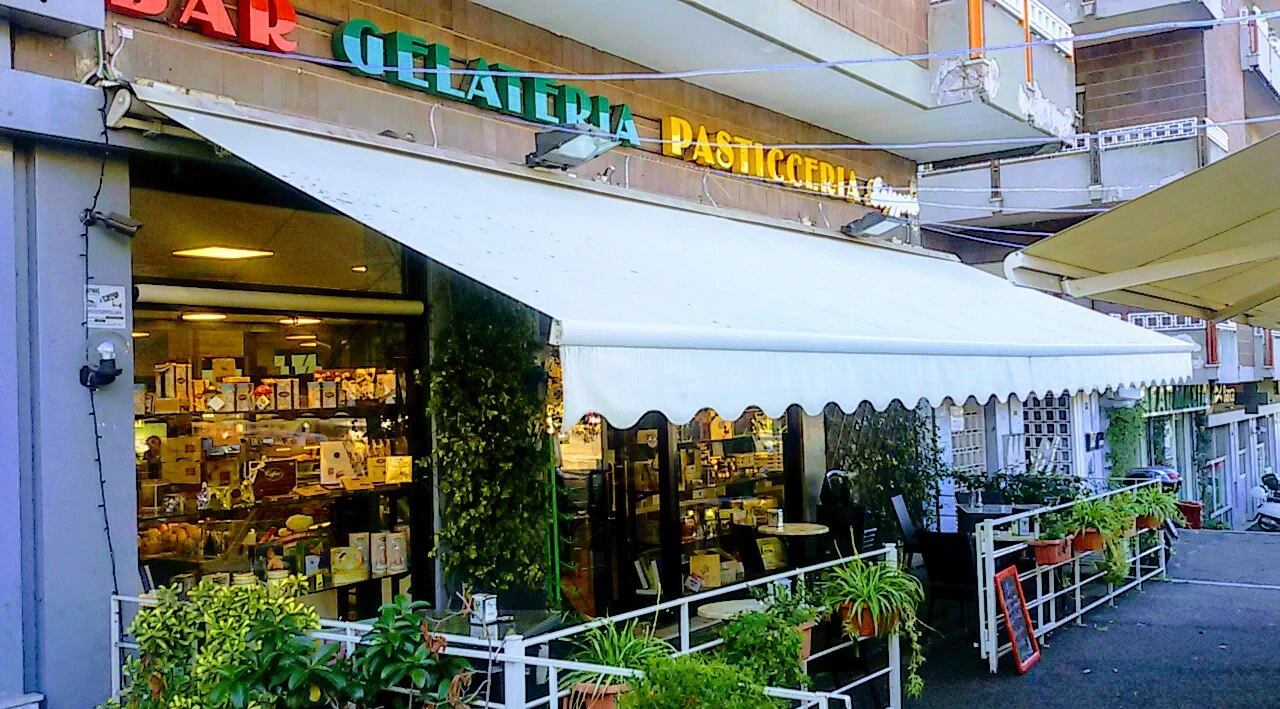
10. Bar Pasticceria Svizzera, Naples
This pastry café in Naples has been open since 1840. It’s not a tourist spot. It’s where Neapolitans stop on the way to work. The sfogliatelle (shell-shaped pastries) are made fresh every morning. The espresso is served in small ceramic cups warmed on the machine. There are no English menus, no Instagram signs on the wall, and no tourists. Just great coffee and one of the oldest pasticcerie in southern Italy.
Don’t miss: Arriving before 9am to get the pastries straight from the oven.
FAQ
What does “off the beaten path” mean in Italy? It means places that aren’t on the standard tourist circuit, no big tour buses, no hour-long lines, and often no English menus. These spots tend to be smaller, quieter, and give you a much more genuine experience of everyday Italian life.
Is it hard to get to these places without a car? Some of them, yes. Villages like Civita di Bagnoregio and Pietrapertosa are best reached by car. Beaches like Cala Mariolu require a boat or a hike. For most of the other spots, regional trains or local buses can get you close. Renting a car in Italy is highly recommended if you want to explore off-the-beaten-path areas freely.
When is the best time to visit these hidden spots in Italy? Late spring (May–June) and early fall (September–October) are ideal. The weather is pleasant, prices are lower, and even the more popular hidden spots are less crowded than they would be in July and August.
Are these places safe for solo travelers? Yes. Italy is generally a very safe country for solo travel, including solo women travelers. The smaller villages on this list are especially low-key and welcoming.
Do I need to speak Italian to visit these places? It definitely helps in spots like Bar Pasticceria Svizzera or Trattoria da Bez, where menus may only be in Italian. But a few basic phrases go a long way, and most Italians, even in small towns, appreciate any effort you make in their language. Google Translate works well for menus.
Will these places still be “hidden” if I visit? Some of them are slowly becoming better known, especially as travel content spreads on social media. The best way to keep them special is to travel respectfully. Don’t leave trash, support local businesses, and don’t blast their exact coordinates across every platform you’re on.
Italy rewards the curious traveler. The less you follow the crowd, the more the country reveals itself to you.
After you have seen the hidden gems, don’t forget the tourist sites just for fun.
Must See Places in Italy- Book Tours Here
Photo Credits: tripadvisor
Italia.it website