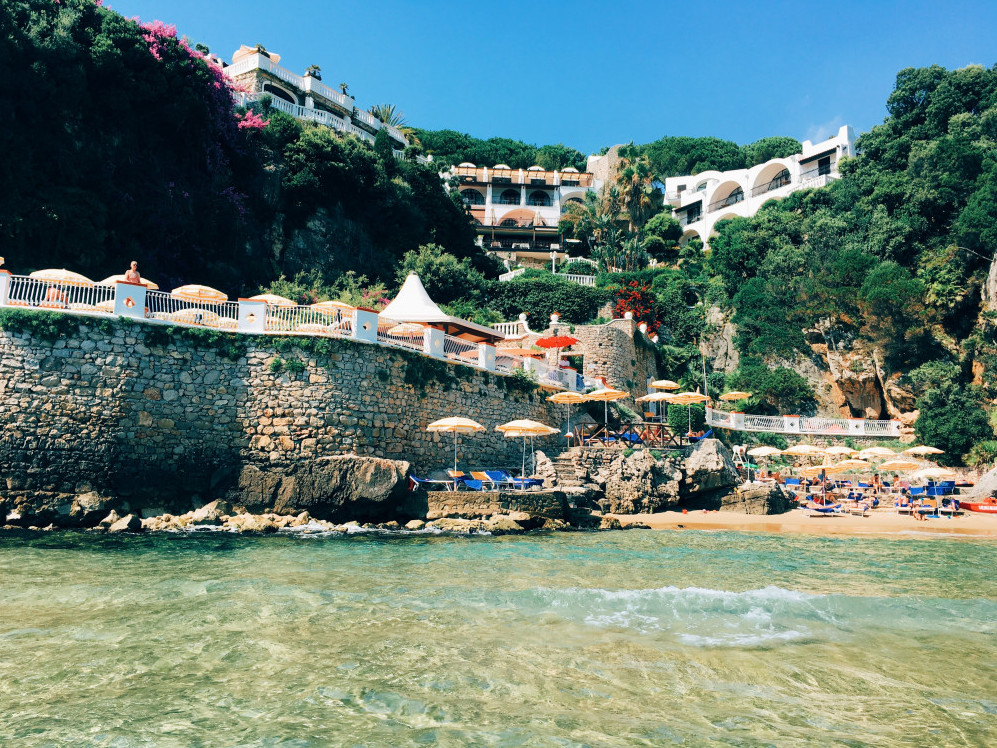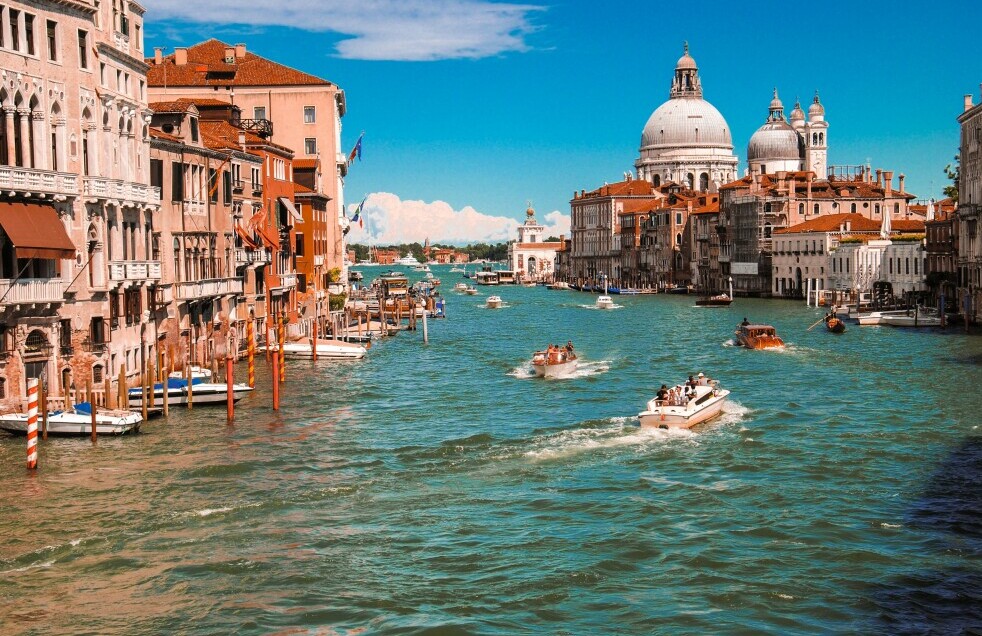
Few countries capture the imagination quite like Italy. From ancient ruins rising over cobblestoned piazzas to sun-drenched coastlines that seem painted in gold, Italy is a destination that rewards every kind of traveler. Whether you are visiting for the first time or returning for the tenth, there is always something new to discover in this layered, fascinating country.
This guide is designed for first-time visitors planning their first Italian adventure, return travelers looking to dig deeper beyond the major highlights, budget backpackers and luxury honeymooners alike. Food lovers, history buffs, art enthusiasts, and beach seekers are also included. Everyone who wants an expertly curated road map.
Inside you will find everything you need: the best places to visit in Italy, sample itineraries for 7, 10, and 14 days, expert travel tips, honest budget breakdowns, recommended tours, and answers to the questions every traveler asks before booking. Let’s go.
Best Places to Visit in Italy
Italy is home to some of the most iconic destinations in the world. Below are the cities and regions that belong on every Italy bucket list, along with a few hidden gems that most tourists miss entirely.
Rome
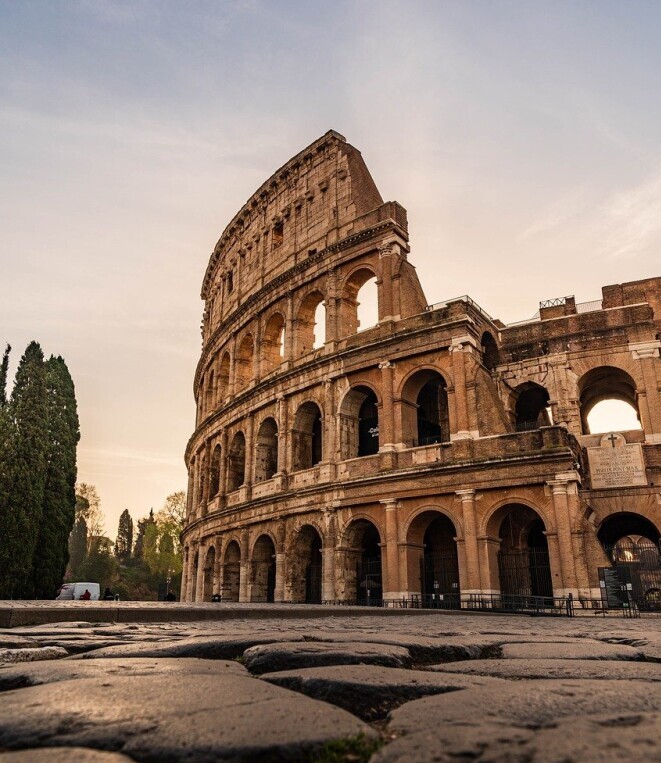
The Eternal City lives up to every expectation. Rome is an open-air museum where 2,700 years of history coexist on the same street corner. Spend at least three full days here to take in the Colosseum, the Roman Forum, the Pantheon, Vatican City, the Trevi Fountain, and Trastevere without feeling rushed. Rome rewards slow exploration — step off the main drag, wander a backstreet, and you will stumble onto something extraordinary.
• Must-sees: Colosseum, Vatican Museums, Sistine Chapel, Borghese Gallery
• Best neighborhoods: Trastevere, Prati, Testaccio
• Day trips: Ostia Antica, Tivoli (Villa d’Este)
→ Read our full Rome Travel Guide
Venice
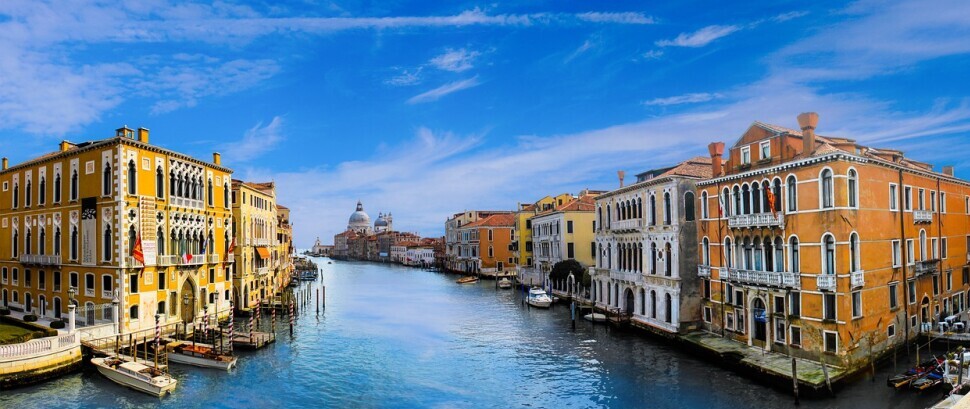
There is no place on earth quite like Venice. Built across 118 islands connected by 400 bridges, this floating city is a marvel of human ingenuity. Beyond the famous gondolas and St. Mark’s Square, Venice rewards the traveler who ventures into the quieter sestieri (neighborhoods) and onto the outlying islands of Murano, Burano, and Torcello.
• Must-sees: St. Mark’s Basilica, Doge’s Palace, Rialto Bridge, Grand Canal
• Best experiences: Gondola ride at dusk, cicchetti bar crawl, island day trip to Burano
• Tip: Book St. Mark’s skip-the-line tickets in advance — lines can be 90+ minutes
→ Read our full Venice Travel Guide
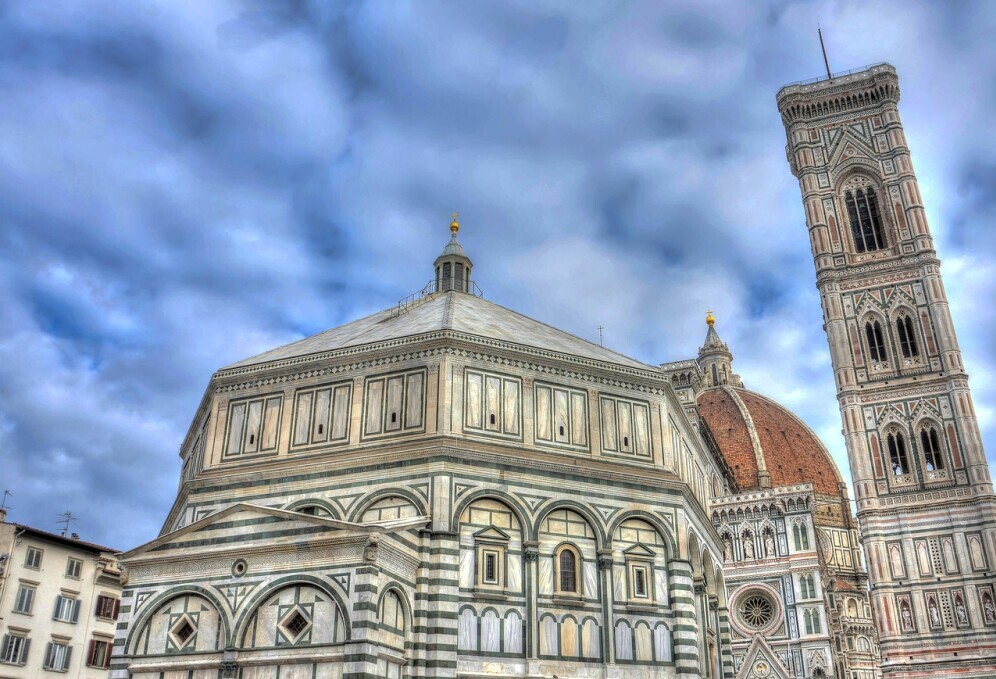
Florence
Florence is the undisputed cradle of the Renaissance. This compact, walkable city holds more UNESCO-listed art and architecture per square mile than almost anywhere else in the world. The Uffizi Gallery alone could occupy a full day, but Florence also shines in its leather markets, riverside aperitivo scene, and the sweeping Piazzale Michelangelo viewpoint.
• Must-sees: Uffizi Gallery, Duomo, Accademia (David), Ponte Vecchio
• Best neighborhoods: Oltrarno (south side), Santa Croce
• Day trips: Siena, San Gimignano, Chianti wine country
→ Read our full Florence Travel Guide
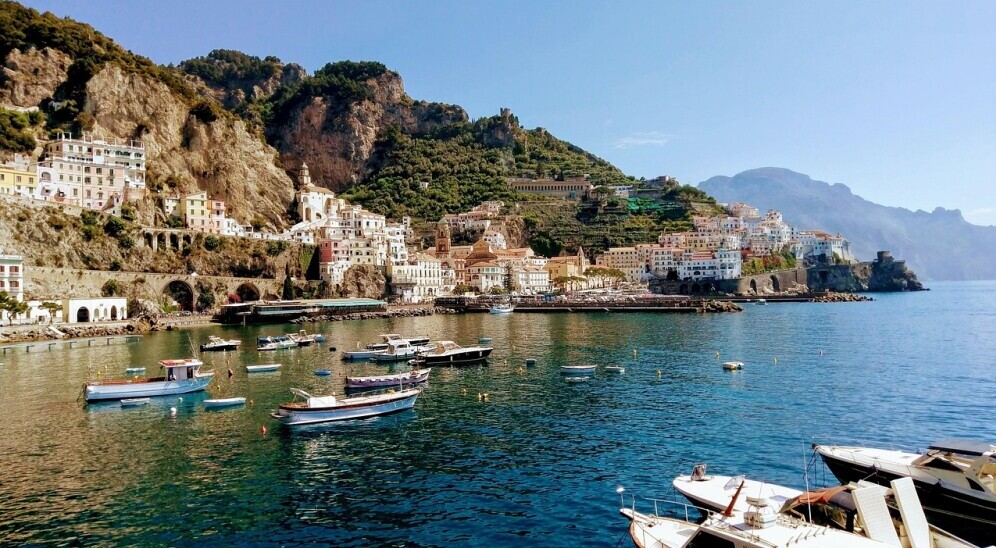
Amalfi Coast
Stretching 50 kilometers along the Tyrrhenian Sea south of Naples, the Amalfi Coast is one of Italy’s most breathtaking scenic drives. Pastel-colored villages cling to near-vertical cliffsides above impossibly blue water. Positano, Amalfi town, and Ravello are the standout stops, but the real magic is in the journey between them.
• Best towns: Positano, Ravello, Praiano, Cetara
• How to get around: Ferry between towns, local SITA buses (cheap but crowded), or private transfers
• Best time to visit: May–June or September–October to avoid peak-season crowds
→ Read our full Amalfi Coast Travel Guide
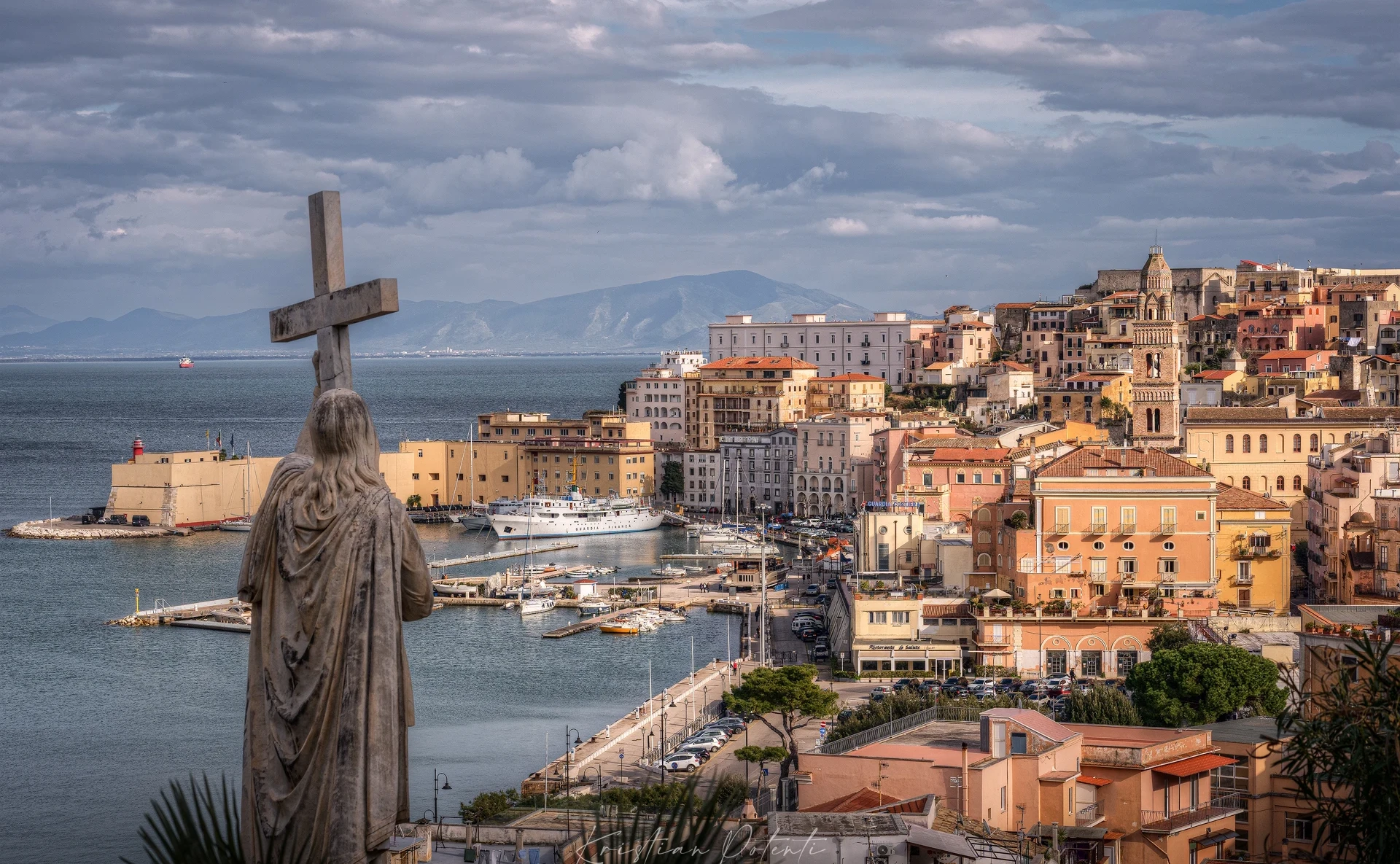
Hidden Gems: Beyond the Tourist Trail
Italy’s most memorable experiences are often found far from the crowds. These under-the-radar destinations deliver authentic Italian life without the selfie-stick chaos.
• Gaeta (Lazio): A stunning seaside town with a medieval old quarter, split sea caves, and excellent seafood. This place is almost entirely undiscovered by foreign tourists but the locals from Naples and Rome pack the beaches there in summer.
• Matera (Basilicata): A UNESCO-listed ancient cave city that feels like walking through a biblical landscape. One of Italy’s most unique destinations
• Orvieto (Umbria): A hilltop town with a jaw-dropping cathedral, underground caves to explore, and none of the crowds of Assisi or Perugia
• Procida (Campania): A tiny, colorful fishing island near Naples. Smaller and moreof a “local feel” than Capri or Ischia
• Civita di Bagnoregio: The so-called dying city, accessible only by a pedestrian bridge, surrounded by eroding tufa cliffs
Italy Itinerary Ideas
How long do you have? Below are three itineraries designed to help you make the most of your trip, whether you have a week, ten days, or two weeks.
7 Days in Italy
A week in Italy is enough to experience two or three iconic destinations without feeling rushed. The classic 7-day route pairs Rome and the Amalfi Coast for a blend of ancient history and coastal beauty.
• Days 1–3: Rome
• Colosseum, Vatican, Trastevere, day trip to Ostia Antica
• Day 4: Travel day
• Train to Naples (1.5 hours), explore Naples’ street food scene
• Days 5–7: Amalfi Coast
• Base in Positano or Praiano, ferry to Amalfi and Ravello
Alternatively: swap the Amalfi Coast for Florence if you prefer art over beaches. (Florence is in our 7 day itinerary)
→ Read: Full 7-Day Italy Itinerary
10 Days in Italy
Ten days unlocks a classic three-city triangle. This is the sweet spot for first-time visitors who want to experience Rome, Florence, and Venice without feeling like they are rushing.
• Days 1–3: Rome
• Days 4–6: Florence — plus a day trip to Siena or Cinque Terre
• Days 7–9: Venice — plus island hopping to Murano and Burano
• Day 10: Departure from Venice or return south by high-speed train
The Rome–Florence–Venice triangle is connected by fast Frecciarossa trains (1.5–2 hours between cities).
→ Read: Full 10-Day Italy Itinerary
2 Weeks in Italy
Two weeks allows you to explore Italy at a genuinely relaxed pace, adding the Amalfi Coast, Sicily, or the Dolomites alongside the classic cities.
• Days 1–3: Rome
• Days 4–5: Naples + Pompeii day trip
• Days 6–7: Amalfi Coast
• Days 8–9: Florence
• Days 10–11: Cinque Terre or Bologna
• Days 12–14: Venice
→ Read: Full 2-Week Italy Itinerary

Best Tours in Italy
While Italy can be seen independently but a well-chosen guided tour can unlock access, context, and experiences that money alone cannot buy. Skip-the-line access to the Vatican, a private food tour through a local market, or a small-group boat excursion along the Amalfi Coast with the right guide makes a difference. It can change a visit into a memory.
Rome Tours
• Colosseum Underground & Arena Floor: Skip the lines and go beneath the arena for an extraordinary behind-the-scenes experience
• Vatican Small-Group Tour: Early-morning access before the crowds arrive, with an expert art historian
• Food Tour of Testaccio: Rome’s most authentic neighborhood, covering supplì, pizza al taglio, offal, and more
→ Browse our recommended Rome tours
Venice Experiences
• Gondola ride at golden hour: Book directly with a gondolier or through your hotel for the best prices
• Glass-blowing workshop in Murano: Watch master artisans at work, then try it yourself
• Secret Passages of the Doge’s Palace: Access the hidden prison cells and interrogation rooms
→ Browse our recommended Venice experiences
Amalfi Coast Excursions
• Private boat tour along the coast: The only way to see sea caves, hidden grottoes, and the coastline from the water
• Cooking class in Ravello: Learn to make fresh pasta and limoncello with a local chef
• Hiking the Path of the Gods (Sentiero degli Dei): One of Italy’s most spectacular coastal hikes
→ Browse our recommended Amalfi Coast excursions
When to Visit Italy
Italy is a year-round destination, but the timing of your visit will dramatically affect your experience — from crowd levels and weather to prices and which regions are at their best.
High Season: June – August
Summer is peak season across Italy. Temperatures soar (often above 35°C / 95°F in Rome and the south), crowds are at maximum, and prices for accommodation and flights reach their highest. Long daylight hours, beach weather on the coast, and a festive atmosphere make summer appealing for many travelers. If you go in summer, book everything months in advance. Plan to start sightseeing early in the morning before the heat and crowds build.
Shoulder Season: April – May and September – October
This is when Italy is at its absolute best. Temperatures are warm but comfortable, crowds are manageable, accommodation prices drop significantly, and the light is beautiful for photography.
Spring brings wildflowers and blossoming gardens; autumn delivers harvest season in Tuscany, truffle festivals in Umbria, and grape harvests across every wine region. If your schedule is flexible, plan your trip for late April, May, or late September through October.
Low Season & Budget Travel: November – March
Winter is the quietest and most affordable time to visit Italy. Many coastal towns (including much of the Amalfi Coast) partially close between November and March. Rome, Florence, and Venice are wonderful in winter. Museums are quiet.
Christmas markets appear in December, and you can visit the major sights without queuing. Expect rain, especially in the north, and some cold days. Flights and hotels are at their cheapest, and you will often have famous sights almost to yourself.
Italy Travel Costs & Budget Tips
Italy has a reputation for being expensive, but the reality depends entirely on how you travel. With smart planning, Italy is surprisingly affordable. Here is an honest breakdown of what to expect.
Accommodation
Accommodation is typically the biggest expense of any Italy trip. Here is a rough per-night guide in USD:
• Hostel dorm bed: $25–$50
• Budget hotel or B&B: $80–$130
• Mid-range hotel: $130–$250
• Luxury hotel: $250–$600+
Venice and the Amalfi Coast are consistently the most expensive regions. Rome and Florence offer the widest range. Book accommodation 3–6 months in advance for peak-season travel. Look for properties just outside the historic center for significantly lower rates.
Transportation
Italy has an excellent high-speed rail network that connects its major cities quickly and affordably. Book Frecciarossa (high-speed) and Intercity train tickets on Trenitalia or Italo well in advance for the best prices.
• Rome to Florence: ~1.5 hours, from ~$25 if booked in advance
• Florence to Venice: ~2 hours, from ~$25 if booked in advance
• Rome to Naples: ~1.25 hours, from ~$20 if booked in advance
Within cities, walking is almost always the best option. Rome, Florence, and Venice are highly walkable. Local buses and metro systems are inexpensive (usually $1.50–$2 per ride). Avoid taxis at airports where possible — use trains or pre-booked private transfers instead.
Tours & Entrance Fees
Italy’s major museums and archaeological sites charge entrance fees, and booking in advance is essential for the most popular attractions.
• Colosseum + Forum: ~$22, book weeks in advance in summer
• Vatican Museums: ~$23, book months in advance
• Uffizi Gallery: ~$25, book at least 2–4 weeks in advance
• Accademia (David): ~$16
Budget around $100–$150 per person in entrance fees for a week-long trip covering the major sights. Guided tours typically cost $30–$80 per person for group tours and $150–$400 for private experiences.
( Prices listed are not set. They can vary depending on time of visits and currency exchange rates. Always plan a safety cushion)
Food
Eating well in Italy does not require spending a fortune. Some of the best meals are the simplest. A cornetto and cappuccino for breakfast ($3–$5) is a favorite. A slice of pizza al taglio for lunch ($4–$7), and a set-price lunch menu (menù del giorno) at a local trattoria ($12–$18 for two courses and wine) are all budget friendly.
Avoid any restaurant directly on a major tourist piazza. Walk one or two streets back and prices drop dramatically.
• Budget traveler: $40–$60 per day on food and drink
• Mid-range traveler: $70–$120 per day
• Splurge traveler: $150–$300+ per day
Italy Travel Tips for First Timers
Italy is a relatively easy country to navigate, but a few insider tips will make your trip smoother, cheaper, and more enjoyable.
Getting Around by Train
Italy’s train network is the backbone of independent travel. The Frecciarossa and Italo high-speed trains are fast, comfortable, and competitively priced when booked early. Always buy tickets before boarding. On-the-spot purchases are more expensive.
On regional trains, you must validate (stamp) your ticket before boarding or risk a fine. Apps like Trenitalia and RailEurope make booking straight-forward from home.
• Book high-speed rail at least 2–4 weeks in advance for best prices
• For regional and local trains, buy tickets at station machines or online
• Always validate regional train tickets in the yellow machines on the platform
You can get help at the train station. “There is significant help for tourists on Italian regional trains. You can buy tickets in English via the Trenitalia website and app, use self-service kiosks with English options, or purchase at station travel agencies.
Key tips include validating physical tickets before boarding, ensuring you have booked the correct time online, and utilizing ‘Sala Blu’ for accessibility assistance.” (Train Travel in Italy)
Safety in Italy
Italy is generally a very safe destination for tourists. The risks that do exist are mostly pickpocketing and bag snatching in crowded tourist areas, especially in Rome, Naples, and on the Amalfi Coast. Keep bags zipped and in front of you in crowds.
Use a money belt for passports and large sums of cash. Be aware of your surroundings on busy public transport. Scams to watch for include fake petitions, bracelet sellers who tie bracelets to your wrist then demand payment, and unofficial taxi drivers.
Don’t wear expensive jewelry or gold in large cities like Rome, Naples, Milan that may attract pickpockets.
Here is an interesting video about pickpockets in Italy. (The statements made are the opinions of the video creators.)
• Use official, metered taxis or apps like FREE NOW or itTaxi
• Store valuables in your hotel safe
• Be vigilant on the Metro in Rome (Line A especially) and in Naples
Cultural Etiquette
Italians take cultural etiquette seriously, particularly around religious sites and dining. Follow these guidelines to travel respectfully and make a great impression.
• Dress codes at churches: Cover shoulders and knees. Bring a scarf or lightweight layer to wear
• Coffee culture: Stand at the bar for espresso (it is cheaper and the Italian way). Don’t order a cappuccino after 11am if you want to avoid curious looks. Those are usually for mornings and breakfast time.
• Tipping: Not expected, but rounding up or leaving a euro or two is appreciated at restaurants
• Dining hours: Italians eat lunch from 1–3pm and dinner from 8pm onward.
• Photography: Always ask before photographing people. Many churches and museums prohibit flash photography
Frequently Asked Questions
Is Italy expensive to visit?
Italy can be as expensive or as affordable as you make it. Accommodation and popular tourist experiences drive most costs. A budget traveler spending wisely like eating at local trattorias, using trains, and staying in well-reviewed hostels or B&Bs can get by on $100–$130 per day.
A mid-range trip with comfortable hotels and a few guided tours typically runs $200–$300 per person per day. The biggest money-wasters are eating at tourist-trap restaurants near major sights, using unofficial taxis, and booking accommodations late.
Is 7 days enough for Italy?
Seven days is enough to experience Italy meaningfully. You should focus rather than try to see everything. A week works beautifully for Rome and the Amalfi Coast, or Rome and Florence, or a focused exploration of one region like Tuscany.
Attempting to squeeze Rome, Florence, Venice, and the Amalfi Coast into a single week will leave you exhausted. Pick fewer places and go in depth. You will have a far better trip. See our ten day itinerary also which is the sweet spot for most tourists.
What is the best month to visit Italy?
May and September are considered the best months to visit Italy. Both offer warm, pleasant weather, manageable crowds compared to peak summer. This time of year also offers competitive prices on flights and accommodations.
May brings spring flowers and long days. September brings harvest festivals, slightly lower temperatures, and the same beautiful light. If you are on a strict budget, November through February offers the cheapest flights and hotels, but there is rainy weather. Rome and Florence are delightful in winter.
Avoid August if you can. It is the hottest, most crowded, and expensive month. Some Italians take their summer break in July but August is when all Italians take of for “viaggiare” and “Ferroagosto”. The beaches are packed and many family owned businesses close.

Ready to start planning? Browse all our Italy destination guides, itineraries, and tour recommendations using the links throughout this guide. Buon viaggio!
Last updated: 2026 | Category: Italy Travel
********************************
Ready to Go?- Book All Your Tours Now