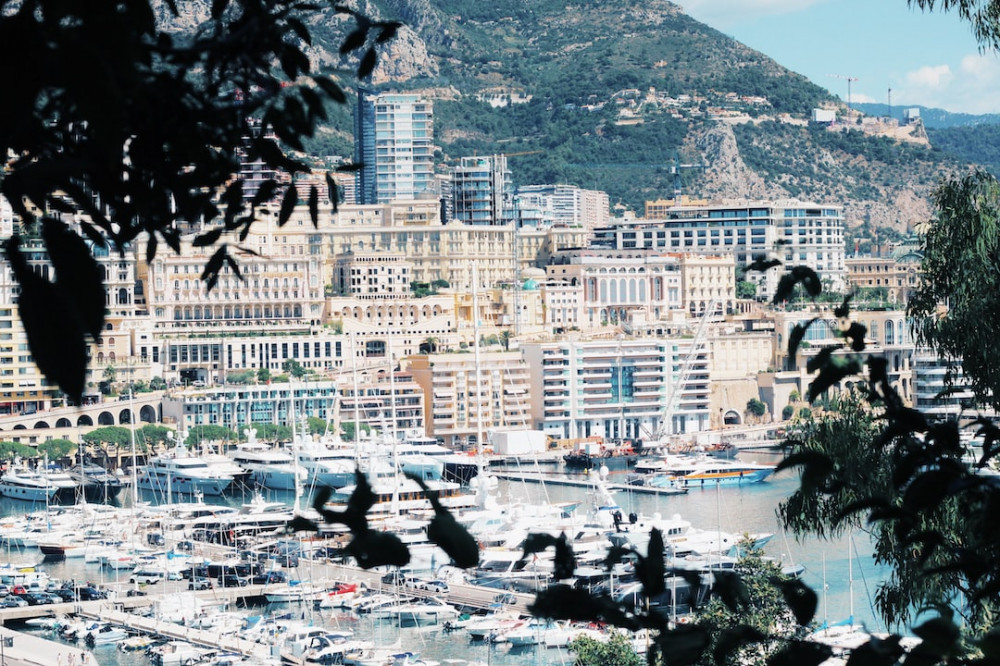
Ticino, Switzerland: The Gateway to the Swiss Riviera
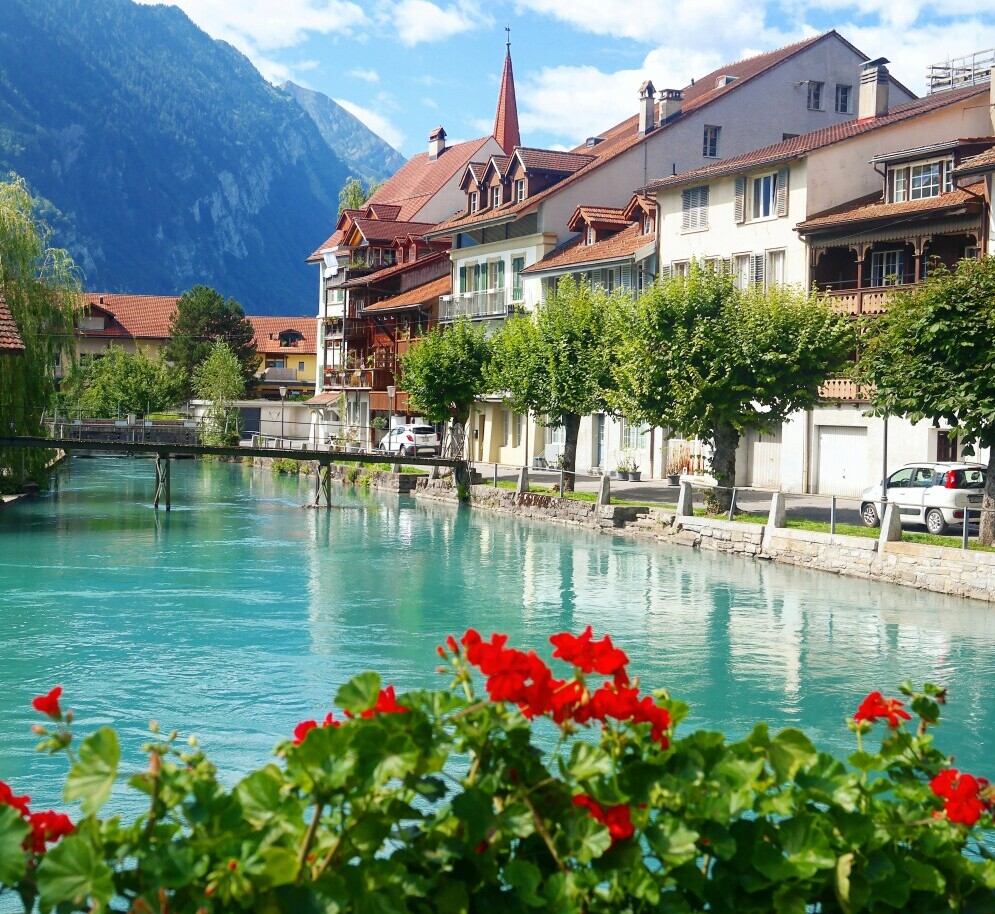
Forget everything you think you know about Switzerland. Palm trees. Turquoise water. Sun-warmed piazzas. Welcome to Ticino.
When you picture Switzerland, you probably picture snow. You picture mountain peaks, glaciers, and cold mountain air. Ticino will change your mind. This is Switzerland’s southernmost region, and in August it looks like a slice of the Italian coast that got lost on the way to the Alps.
Lake Lugano sparkles a deep turquoise. Palm trees line the promenades. The sun feels heavy and warm on your shoulders. This is the start of what locals call “Swiss-Mediterranean.” It is a place where Swiss trains still run on time, but the pace of life slows down to match the Dolce Vita rhythm.
In this post, we will trade high-altitude glaciers for the “lungolago”, or lakeside promenade. We leave the gothic spires up in northern Switzerland for terracotta rooftops. Pack light, bring sunscreen, and get ready to see a side of Switzerland most travelers never find.
Architectural Metamorphosis
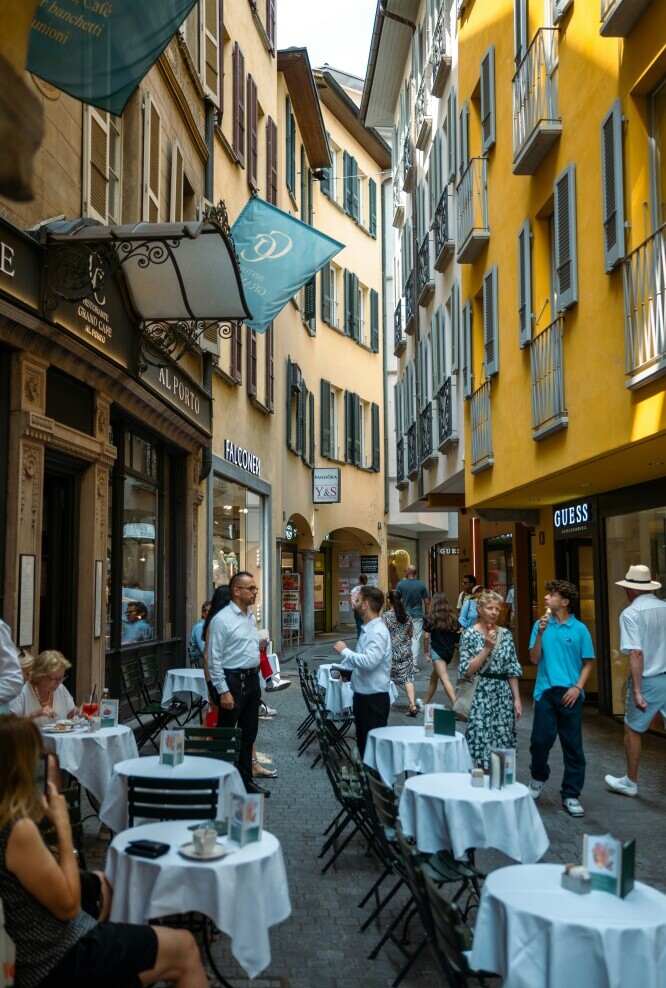
Lugano’s old town swaps Gothic spires for warm terracotta and pastel color.
Travel south through Switzerland, and the buildings change before your eyes. The sharp Gothic spires of Zurich and Bern give way to something softer. Lugano’s old town is full of warm terracotta rooftops and pastel-colored home fronts. It feels closer to Milan than to Zurich.
Start your walk at Piazza della Riforma. This open square sits at the heart of Lugano. It is surrounded by grand buildings in the Italian neoclassical style. Sip espresso while tourists snap photos of the colorful homes above. It is proof that Italian design can flourish under a Swiss flag.
Next, visit the Church of Santa Maria degli Angioli. This small church holds a huge surprise inside. Its walls feature Renaissance frescoes painted by Bernardino Luini, a student of Leonardo da Vinci. Standing inside, you can feel the artistic bridge between Milan and Zurich. It is one part of Switzerland that tells a very different story than the rest of the country.
- Piazza della Riforma: Best visited in the late afternoon for cafe culture and people watching.
- Santa Maria degli Angioli: Free to enter, and worth 20 quiet minutes with the frescoes.
- Old Town streets: Wander without a map. Every alley leads somewhere colorful.
The Grotto Gastronomy Experience
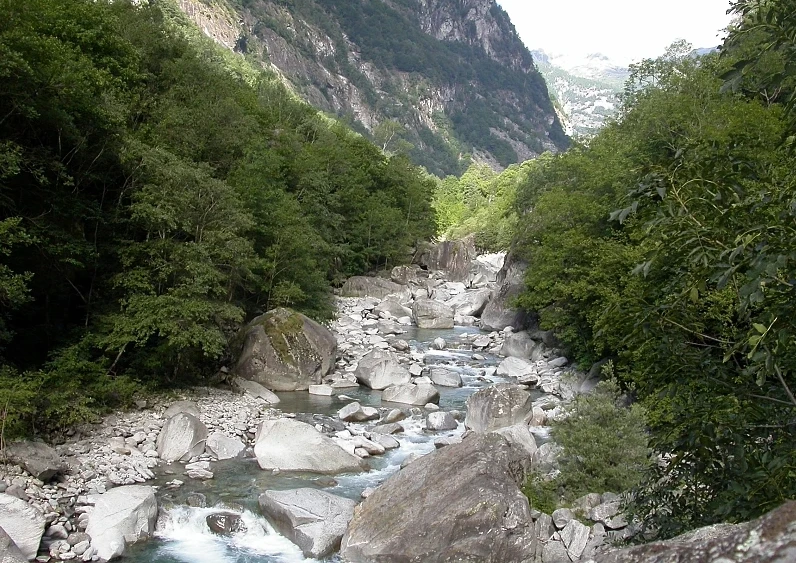
Grottos in the Maggia Valley stay naturally cool, even in the August heat.
Once you leave the city center, Ticino’s food culture opens up in a whole new way. Head to the Maggia Valley to find grottos. These are rustic, shaded restaurants built into limestone cliffs. Long ago, locals used them to store wine and cheese in the cool rock. Today, they serve some of the best regional food in Switzerland.
Order the saffron risotto. This creamy, golden dish shows off the language and culinary fusion that defines the region. It borrows from northern Italian tradition while using ingredients grown in the valley. Every bite tastes like the meeting point of two cultures.
Pair your meal with a glass of Merlot del Ticino. This is the region’s signature red wine. It exists nowhere else in Switzerland in just the same way. The valley’s unique microclimate, with warm days and cool nights, gives the grapes a rich, bold flavor. Wine lovers consider it one of the country’s best-kept secrets.
Vibrant Valleys and Tropical Flora
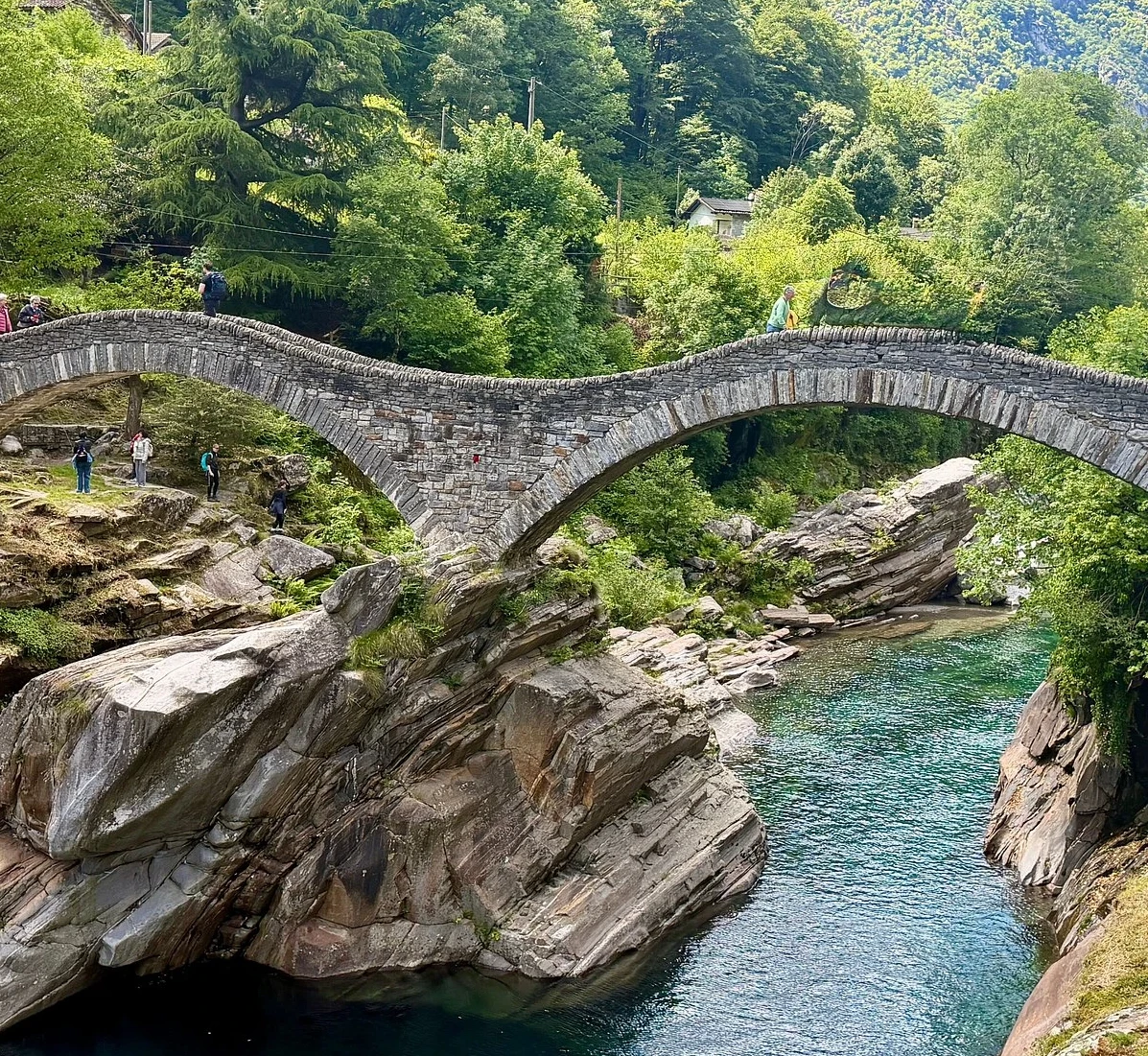
The Verzasca Valley’s emerald water and stone bridges feel more Amalfi Coast than Alps.
The Verzasca Valley might be the most photographed spot in all of Ticino, and it earns every bit of that attention. Old Roman stone bridges arch over water so clear and green it looks unreal. Locals swim right off the rocks in summer. Honestly, it looks more like the Amalfi Coast than anything you would expect from the Alps.
From there, take a short boat ride to the Brissago Islands. These two small islands sit in Lake Maggiore, and they hold a true botanical miracle. Subtropical plants, palms, and exotic flowers grow freely here, right in the heart of Europe. Walking the garden paths, you would swear you left Switzerland entirely.
This mix of mountain and tropical landscape shapes the local lifestyle too. In one day, Ticino locals might hike a mountain trail in the morning and lounge lakeside by afternoon. That balance is what makes the region feel so different from the rest of Switzerland.
- Verzasca Valley: Bring water shoes if you plan to wade or swim near the bridges.
- Brissago Islands: Reachable by boat from Ascona or Locarno; allow at least two hours to explore.
Navigating the Italian Soul of Switzerland
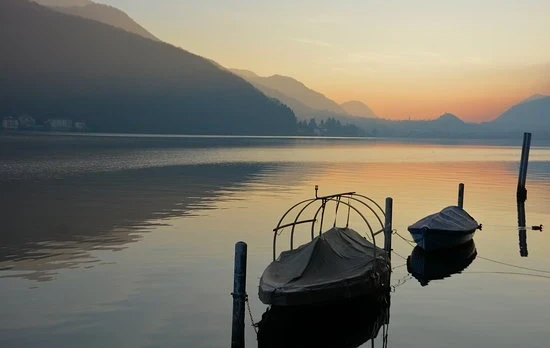
Morcote at sunset, recently named the most beautiful village in Switzerland.
Getting to Ticino is easier than you might think. The Swiss Travel Pass covers your journey through the Gotthard Base Tunnel. This is the longest railway tunnel in the world. In a couple of hours, you go from snowy northern peaks of Switzerland to sun-drenched Italian-speaking towns of southern Switzerland. The whole trip feels like changing countries without ever leaving one.
Once you arrive, do not miss Morcote. This lakeside village was recently voted the most beautiful village in Switzerland. It is easy to see why. Narrow stone stairways wind past flower-covered balconies down to the water. Time your visit for sunset, that’s when the whole village glows gold above Lake Lugano.
Ticino proves that Switzerland is not just one thing. It can hold Swiss order and Italian passion in the same place, at the same time. For travelers who want both structure and spontaneity, no other region in Europe blends the two identities quite like this.
Find the perfect place to stay near Lake Lugano or Morcote with Stay22’s interactive map of Ticino accommodations in our right bar. Just type in “Ticino” and book your room right here.====>
FAQ
1. Is Ticino really part of Switzerland, or is it more like Italy?
Ticino is fully part of Switzerland. It uses the Swiss franc, follows Swiss law, and runs on famous Swiss punctuality. But most residents speak Italian, and the architecture, food, and lifestyle carry strong Italian influence. That is why people call it the “Swiss-Mediterranean” region.
2. What is the best time of year to visit Ticino?
Late spring through early fall is ideal, and August brings the warmest lake days. If you want to swim at Verzasca or relax on the Lake Lugano promenade, plan your trip between June and September.
3. How do I get to Ticino from Zurich or Milan?
From Zurich, trains run through the Gotthard Base Tunnel and reach Lugano in under two hours. From Milan, the train ride is even shorter, often under 90 minutes. A Swiss Travel Pass covers most of this route if you are exploring other parts of the country too.
4. Is Morcote worth a day trip, or should I stay overnight?
Morcote works well as a day trip from Lugano, since it sits only a short drive or boat ride away. Staying overnight lets you catch the sunset without rushing back. Mornings in the village are quiet and beautiful before the day-trippers arrive.
Ready to plan your own Ticino escape? Check flights, compare stays, and browse tours all in one place with our Ticino travel planning. (Viator, Stay22, right here in our blog)
For more information about other world destinations or to plan your next getaway, contact me or book your trip, tours, and stays right here from our blog.
Dream big. Travel well. Happy travels!


Our Fact Checking Process
We prioritize accuracy and integrity in our content. Here's how we maintain high standards:- Expert Review: All articles are reviewed by subject matter experts.
- Source Validation: Information is backed by credible, up-to-date sources.
- Transparency: We clearly cite references and disclose potential conflicts.
Our Review Board
Our content is carefully reviewed by experienced professionals to ensure accuracy and relevance.- Qualified Experts: Each article is assessed by specialists with field-specific knowledge.
- Up-to-date Insights: We incorporate the latest research, trends, and standards.
- Commitment to Quality: Reviewers ensure clarity, correctness, and completeness.